What are Spray Nozzles? Types, Operation, and Industrial Applications
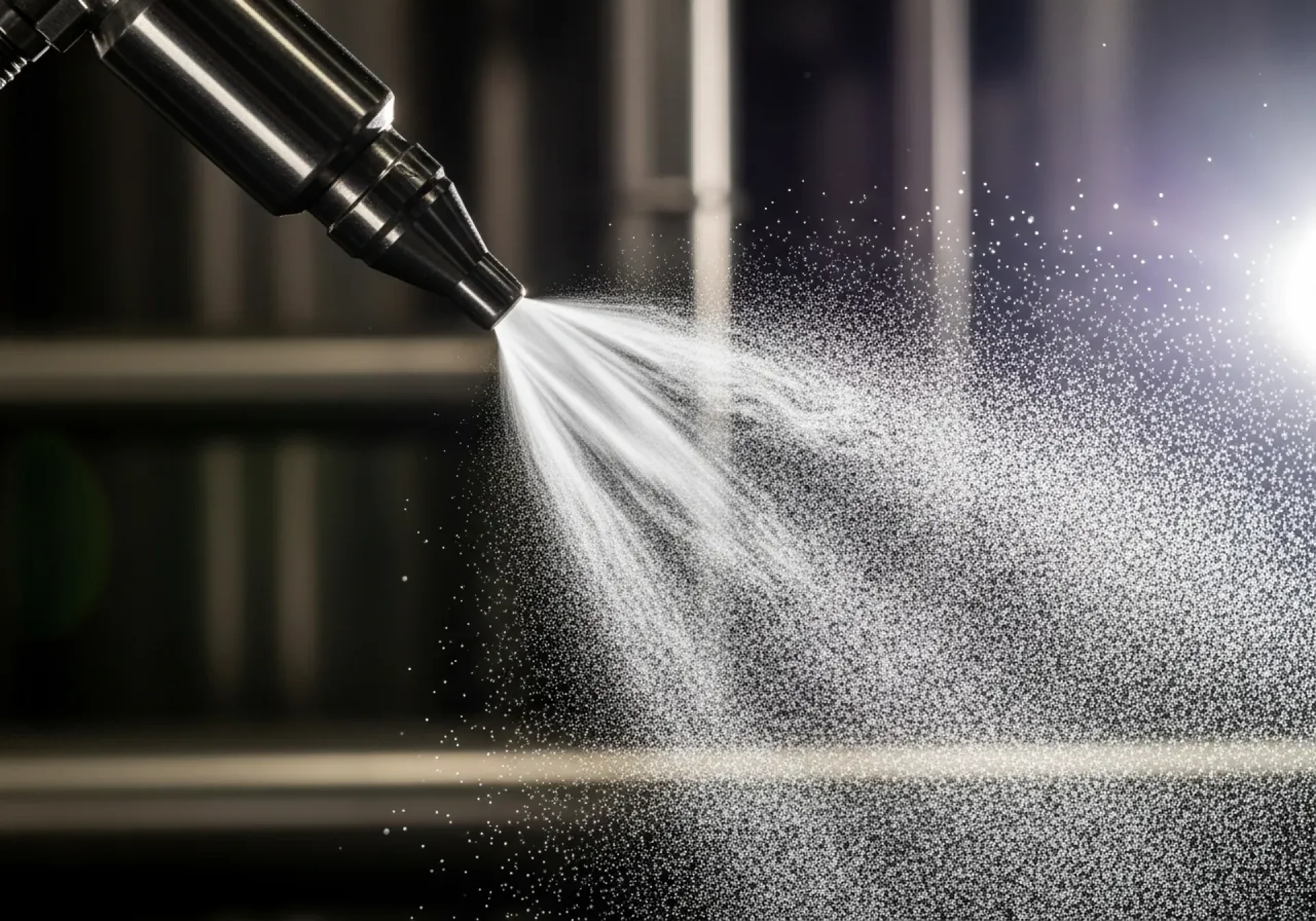
Spray Nozzles are devices used to control the flow of a liquid into a spray pattern. The spray can be a fine mist, small droplets, or a straight stream, depending on the nozzle's design. The main purpose is to increase the efficiency of applications such as cooling, dust control, surface coating, cleaning, and fire suppression.
The role of spray nozzles in factories goes far beyond simply being water sprayers. They play a crucial part in product quality control and energy efficiency. For example, steel manufacturing plants use spray nozzles to cool down hot workpieces, while food processing facilities rely on precise spraying systems for cleaning and sanitation.
In large-scale industrial operations, where significant energy is required to control the temperature generated by machinery, high-quality spray nozzles with optimal performance can directly impact energy savings and reduce overall cooling tower system costs.
Types of Spray Nozzles
Spray nozzles are designed to suit different applications. Using the wrong type can lead to energy waste and failure to meet process goals.
- Full Cone Nozzle: Provides a spray distribution in a full cone shape, suitable for applications requiring wide coverage.
- Hollow Cone Nozzle: Distributes spray in an outer ring, ideal for conserving liquid volume.
- Flat Fan Nozzle: Creates a fan-shaped spray, widely used in cleaning or coating applications.
- Mist Nozzle: Produces fine aerosol droplets, suitable for cooling or humidity control.
- Spiral Nozzle: Designed to reduce clogging, suitable for liquids with sediment or impurities.
Selecting the Appropriate Application
Choosing a nozzle involves more than just its shape or type; several factors must be considered together, such as flow rate, pressure, fluid characteristics, and the process objective. A wrong choice can lead to wasted resources.
Factors to consider include the precision of the spray distribution, the durability of the nozzle material (e.g., stainless steel, brass, or plastic), and maintenance costs. For further advice, Innovek has detailed information on its Spray Nozzles page, explaining types and properties comprehensively.
Installation and Maintenance
When installing Spray Nozzles, attention must be paid to the spray direction and distance from the target object. If installed incorrectly, the spray may be uneven or waste water. For maintenance, nozzle clogging and system pressure should be checked regularly, as these directly affect spray quality and nozzle lifespan.
Common practices in factories include regular cleaning of nozzles, checking that water pressure is within the specified range, promptly replacing worn nozzles, and logging usage to analyze long-term performance.
Future Trends
Spray Nozzles are evolving into smarter and more precise devices. Currently, highly corrosion-resistant materials like ceramics and high-precision CNC designs are being used. They are also beginning to integrate with digital systems, such as IIoT and online monitoring systems, to measure pressure and flow in real-time and provide alerts for abnormalities.