How to Maintain Cooling Tower Water Standards Throughout System Lifespan
What Are Good Cooling Tower Water Standards?
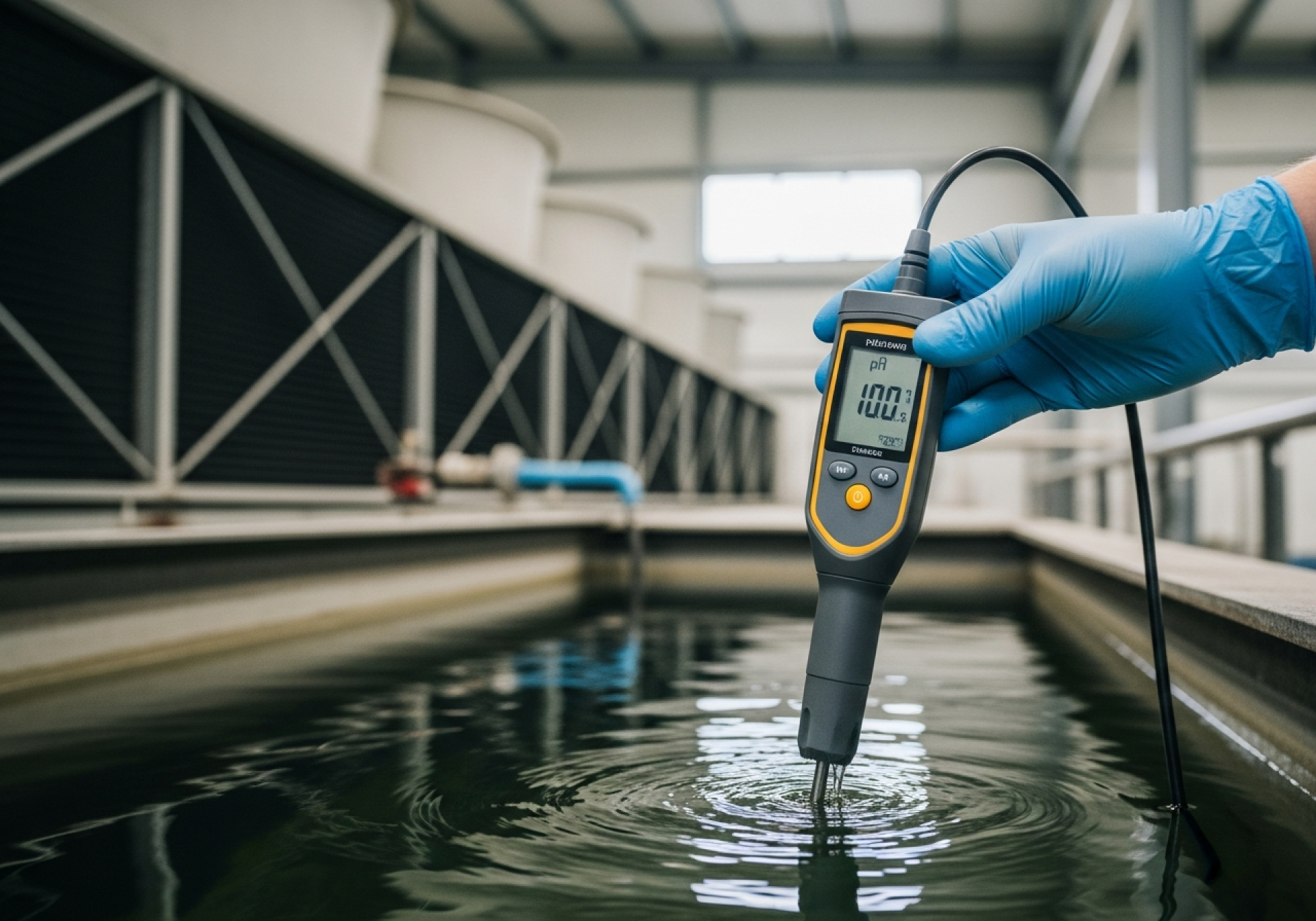
Water standards for Cooling Towers (Open Recirculating System type) aren't just about visual claritythey require proper chemical balance. Following international engineering standards and industrial regulations, the following parameters must be strictly maintained to prevent damage to high-value equipment:
- pH (Acidity-Alkalinity): Should be 6.5 9.0 (neutral to slightly alkaline prevents corrosion, but too high risks scale formation)
- Conductivity: Not exceeding 2,500 3,000 µS/cm (varies with source water quality but should never exceed solubility limits)
- Total Hardness: Not exceeding 500 ppm (as CaCO)beyond this, calcium begins forming limestone deposits
- Microbial Count: Total Bacteria Count must be below 100,000 CFU/ml, and critically, Legionella must be undetectable (< 100 CFU/ml) as it poses life-threatening risks
Understanding Impacts and Water Treatment Programs
Cooling Tower water management is a war against three main enemies that cannot be permanently eliminated but must be "controlled" to safe levels:
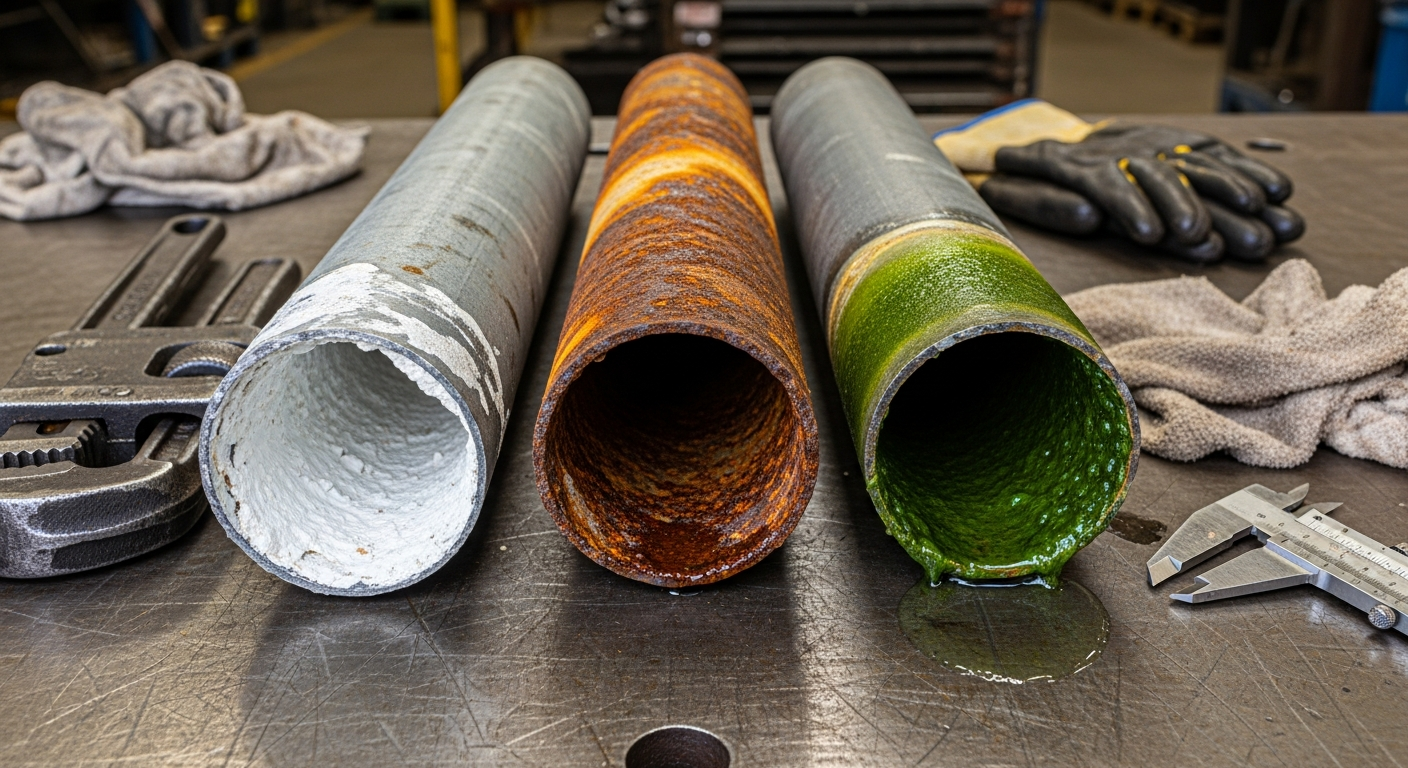
1. Scale The Problem of Excess Minerals
When calcium and magnesium in water encounter heat at heat exchanger tube surfaces, they crystallize into solid deposits (limestone) that adhere firmly. Scale has very low thermal conductivityjust 0.1mm thickness (paper-thin) can increase Chiller electricity costs by 5-10%.
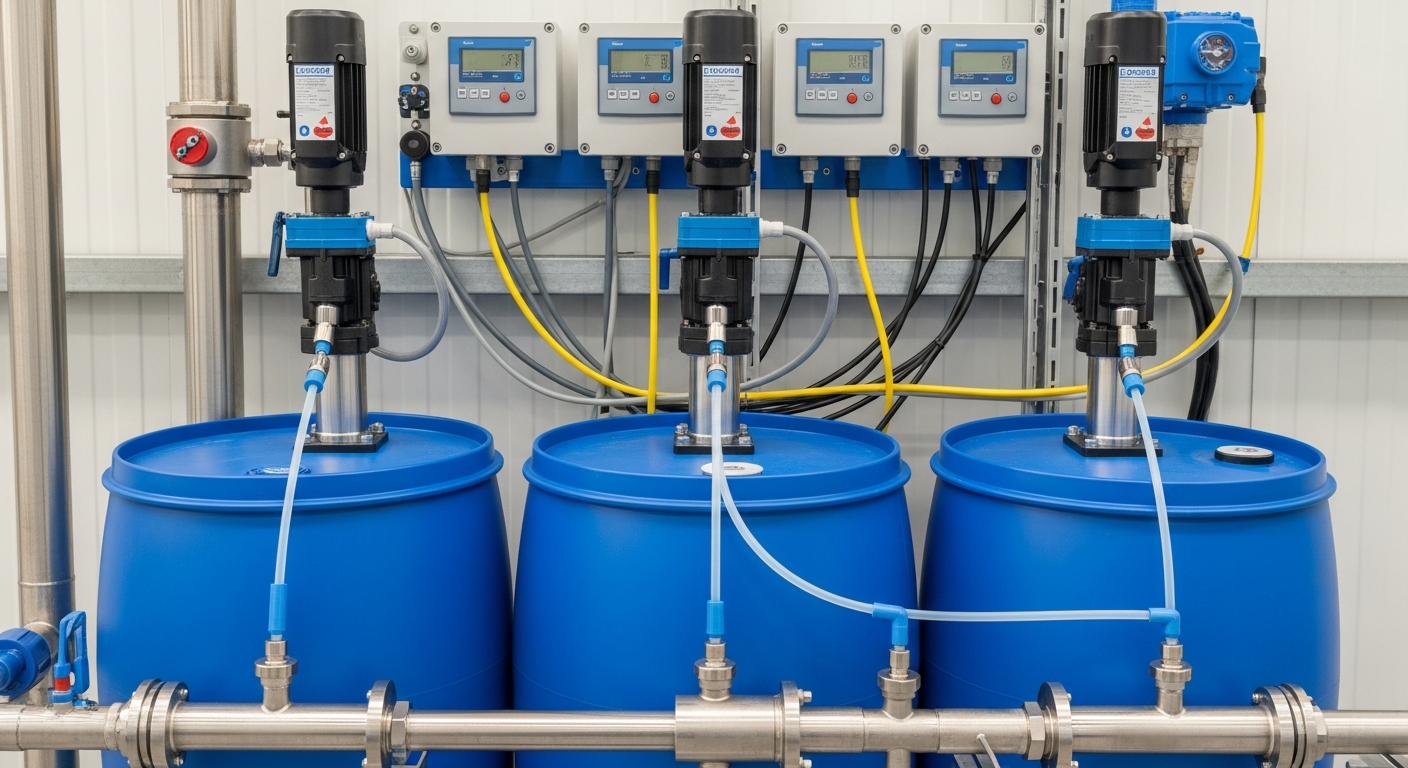
Solution: Use Scale Inhibitor chemicals (Polymer/Phosphonate Base) that distort calcium crystal structures, preventing them from forming solid masses and keeping them suspended in water until removed by bleed-off.
2. Corrosion The Problem of Acidic Water
If pH is low or Conductivity too high causing electrochemical currents (Galvanic Corrosion), water begins eating into pipe metal, shortening service life, causing leaks, and creating red rust scale.
Solution: Use Corrosion Inhibitor chemicals that create a molecular-thin film (Passivation Film) coating metal surfaces, preventing direct water-to-metal contact.
3. Bio-fouling The Problem of Living Organisms
Cooling Towers are perfect homes for pathogenswith water, warm temperatures (30-37°C), and sunlight. Algae and bacteria create sticky slime (Biofilm) that acts as excellent thermal insulation (which we don't want) and also serves as a protective shield for dangerous Legionella bacteria hiding beneath.
Solution: Use two types of biocides in rotation:
- Oxidizing Biocide: Fast and powerful action, such as chlorine or bromine, for immediate disinfection
- Non-oxidizing Biocide: Slower but longer-lasting action to eliminate resistant organisms
Frequently Asked Questions (FAQ) About Water Standards
Q1: How often should Cooling Tower water quality be tested?
Basic parameters (pH, Conductivity) should be measured daily by on-site technicians. Samples should be sent to laboratories for comprehensive analysis of all parameters at least once monthly.
Q2: What should be done if pH exceeds standards?
High pH (above 9.0) typically accompanies scale risk. The solution is increasing bleed-off rate to discharge old water, or in some large systems, adding diluted sulfuric acid to lower pH (this method requires expert supervision only due to high corrosion risk).
Q3: How dangerous is Legionella disease?
Extremely dangerousthis bacteria lives in water droplets (drift) that escape from Cooling Towers. If inhaled, it causes severe pneumonia (Legionnaires' disease) that can be fatal. Regulations are therefore very strict regarding bacterial testing and basin cleaning.