Why Fill Pack is important in Cooling Tower?
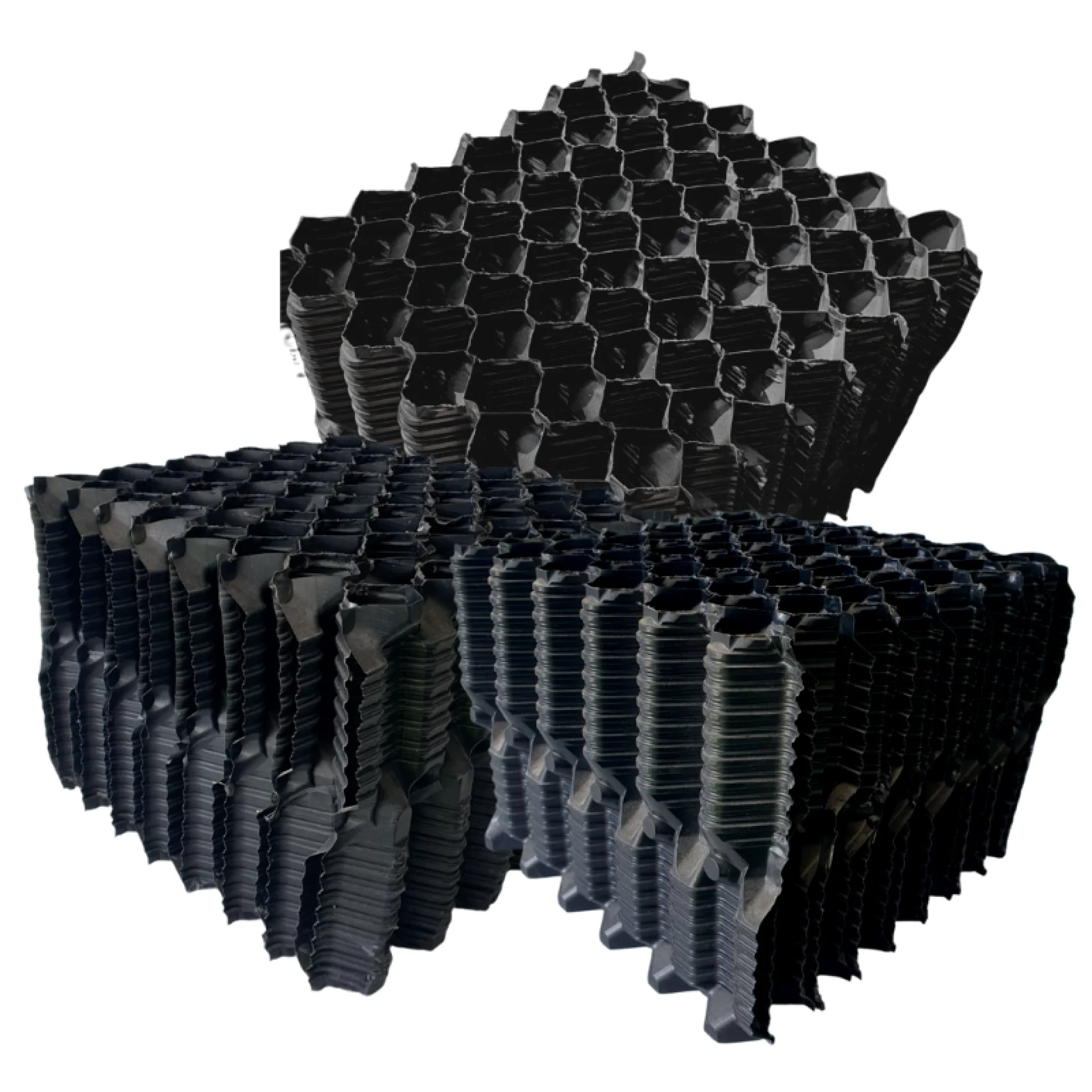
Enhancing Plant Efficiency with Industrial Cooling Panels An industrial cooling panel, such as a Fill Pack or Finned Tube Bundle, is the heart of heat exchange equipment in industrial plants. Maintaining and utilizing high-quality cooling panels that are corrosion-resistant maximizes the surface area for heat dissipation. This ensures machinery operates at peak performance, reduces energy consumption, and helps organizations tangibly achieve their sustainability and energy conservation goals.
The cooling tower fill, often called the cooling tower fill pack or cooling tower honeycomb, is one of the most important components in a cooling tower system. It increases the contact surface area between water and air, which significantly improves heat rejection performance. Cooling tower fills are used in industrial plants, power generation, chiller systems, and many other processes that rely on constant cooling water circulation.
This article explains in detail what a cooling tower fill is, why it is essential, how it works, what types and materials are available, and how to select the right fill for your system. It also covers key points such as pricing factors, service life, and how to recognize when the fill is deteriorating and should be replaced.
What Is a Cooling Tower Fill and Why Is It Important
A cooling tower fill is a set of plastic sheets or elements designed with specific patterns to spread the water into thin films or droplets. This design increases the surface area of water in contact with the air. As the warm water flows through the fill, it breaks into thin layers or droplets and comes into contact with the air passing through the tower. This improves evaporation and heat transfer efficiency, which helps reduce the water temperature more effectively compared to systems without a proper fill pack.
A cooling tower equipped with a high quality fill can deliver several advantages:
- Lower cold water temperature at the cooling tower outlet
- Reduced load on chillers or other cooling equipment
- Lower energy consumption and operating cost
- Less algae, scaling, and contamination within the system
- Extended overall service life of the cooling system components
Because of this, the cooling tower fill is considered a critical spare part. Choosing the wrong type or using a poor quality fill can cause a significant loss in performance and lead to higher energy usage and maintenance costs.

How the Cooling Tower Fill Works in Heat Rejection
When the warm water is pumped to the top of the cooling tower, it is distributed over the fill pack. The fill is designed with specific patterns such as honeycomb, corrugated, wave, or grid structures. These patterns spread the water into thin films or fine streams and slow down the water flow just enough to maximize air contact time without causing excessive pressure drop.
Several factors influence how effectively the fill can enhance heat transfer:
- The total water surface area created by the fill geometry
- The pattern design that controls water distribution and flow
- The uniform distribution of air through the fill pack
- The chemical and thermal resistance of the fill material
If the fill is clogged or deteriorated, the temperature difference between hot and cold water (ΔT) will drop noticeably. As a result, the system must work harder to achieve the same cooling capacity, which increases energy consumption and operating costs.
Main Types of Cooling Tower Fill Used in Industrial Applications
In general, cooling tower fills can be divided into two main types, each suitable for different water quality and operating conditions.
Film Fill
Film fill is designed to form thin films of water on the surface of the sheets. It is ideal for systems that require high heat transfer efficiency and have relatively clean water. Film fill is commonly used in commercial and industrial cooling towers for buildings, factories, and HVAC systems. Its main advantages are high thermal performance and compact size, which makes it compatible with many cooling tower designs available on the market.
Splash Fill
Splash fill is better suited to systems with poor water quality, high suspended solids, or heavy contamination, such as some industrial processes or milling operations. The fill consists of bars, grids, or stacked elements that cause the water to splash repeatedly and break into small droplets as it falls from level to level. Although its thermal performance is generally lower than that of film fill, splash fill is more tolerant of dirty water and less prone to clogging.
The choice between film fill and splash fill should be based primarily on water quality. Using a film fill in a very dirty system can lead to severe clogging and performance loss, while a splash fill in a clean system may not fully utilize the potential thermal performance.
Common Materials Used for Cooling Tower Fill and Their Characteristics
The material of the cooling tower fill has a direct impact on durability and service life, as the fill is constantly exposed to heat, water, and chemicals. The most common materials include:
PVC
PVC (Polyvinyl Chloride) is widely used for general applications. It offers moderate chemical and thermal resistance at an economical cost. It is the most common material found in standard cooling tower film fills.
PP
PP (Polypropylene) has better chemical resistance compared to PVC and is more resistant to acidic or alkaline water. It is suitable for plants that use poor quality water or wastewater with higher contamination. When properly maintained, PP fill can offer a longer service life, although its price is typically higher than PVC.
ABS
ABS provides excellent mechanical strength and is suitable for higher temperature applications or heavy duty operation. However, it is more expensive and is less commonly used in typical cooling tower installations than PVC and PP.
When selecting the material, key factors to consider include chemical resistance, operating water temperature, system pH, raw water quality, and budget. Choosing the right material helps ensure that the cooling tower fill performs reliably in real operating conditions.

How to Select the Right Cooling Tower Fill for Your System
Selecting a cooling tower fill should never be based on price alone. Instead, it should be aligned with the actual system conditions, such as:
- Design hot and cold water temperatures
- Water quality and the level of suspended solids
- Air flow rate and fan characteristics
- The existing cooling tower design and dimensions
- The type of industry and process requirements
If the water contains significant solids or hardness, PP fill or splash fill is often a better choice to reduce the risk of clogging. For systems with clean water that demand maximum thermal performance, film fill is usually the preferred solution.
Signs That the Cooling Tower Fill Is Deteriorating and Should Be Replaced
A deteriorated fill has a direct negative impact on cooling tower performance. Common warning signs include:
- Uneven water distribution or water bypassing through certain areas of the fill
- A significant drop in ΔT compared to historical performance
- Heavy fouling from algae, scale, or other deposits
- Cracked, brittle, deformed, or collapsed fill sheets
- Increased energy consumption as fans and pumps work harder to maintain the same cooling capacity
Once these signs are observed, the fill should be inspected, and a replacement plan should be considered to restore the cooling tower to its original performance and prevent other components from being overloaded.
Cooling Tower Fill Price and Key Cost Factors
The cost of a cooling tower fill depends on several factors:
- The material used, such as PVC, PP, or special engineered plastics
- The thickness, height, and overall dimensions of the fill
- The pattern design and whether it is a film fill or splash fill
- The cooling tower model and the required quantity of fill
- The total volume ordered and any customization requirements
Because each cooling tower has different specifications and operating conditions, it is important to request a detailed quotation based on the actual design and performance requirements rather than relying on a single generic price.
Maintenance Tips to Extend the Service Life of Cooling Tower Fill
Proper maintenance can significantly extend the service life of the cooling tower fill and reduce long term operating costs. Recommended practices include:
- Cleaning the fill at appropriate intervals based on water quality
- Selecting water treatment chemicals that are compatible with the fill material
- Inspecting for algae, scale, and sediment buildup
- Checking that water distribution over the fill is uniform without dry areas
- Monitoring the structural condition of the fill to detect deformation or collapse
Regular maintenance not only prolongs the life of the fill but also helps keep the cooling tower operating efficiently and consistently, which supports stable production and energy savings.
Frequently Asked Questions About Cooling Tower Fills
What is a cooling tower fill
A cooling tower fill is a component designed to increase the contact surface between water and air, improving heat transfer and helping the cooling tower reduce water temperature to the desired level.
Should I use film fill or splash fill
The choice depends mainly on water quality. For relatively clean water and high thermal performance requirements, film fill is recommended. For dirty water with higher solids content, splash fill is more tolerant and less prone to clogging.
How often should the fill be replaced
In many installations, the service life ranges from about three to seven years, depending on the material, water quality, system operation, and maintenance frequency.
What is the typical price range of cooling tower fills
Prices vary according to material, size, pattern, and the cooling tower model. It is best to request a project specific quotation that reflects your actual system design and requirements.
How frequently should the fill be cleaned
The cleaning frequency depends on water quality and operating conditions. Systems with poor water quality may require cleaning every few months, while cleaner systems may only need annual cleaning, combined with regular inspections.
Conclusion
The cooling tower fill pack plays a critical role in the performance of any cooling tower. Selecting the right material and type of fill, matching it to the water quality and system conditions, and maintaining it properly can help the cooling system operate at peak efficiency, save energy, and reduce long term costs. Operators should regularly monitor the condition of the fill and plan timely replacement to prevent performance losses and avoid unnecessary stress on other equipment in the cooling system.