Heat Dissipation Panels: The Complete Guide to Types, Selection, and Maintenance
Key Takeaways
- A heat dissipation panel uses fins to expand surface area, transferring heat from a fluid to the air faster.
- Copper fins offer superior thermal conductivity, while aluminium fins are lighter and more cost-effective.
- Selection depends on heat load, flow rate, fin density (FPI), and the corrosiveness of the environment.
- Dust, scaling, and fouling are the main causes of reduced cooling performance and higher energy use.
- Scheduled cleaning and inspection for bent fins extend service life before a full panel replacement is needed.
What is a Heat Dissipation Panel? An In-Depth Industrial Guide
In any system that generates or accumulates heat, whether it's a machine cooling loop, a large-scale HVAC system, or a manufacturing process, one component is indispensable: the device responsible for "releasing" heat into the air. That device is the Heat Dissipation Panel, often referred to as a radiator core or finned core.
1. How a Heat Dissipation Panel Works
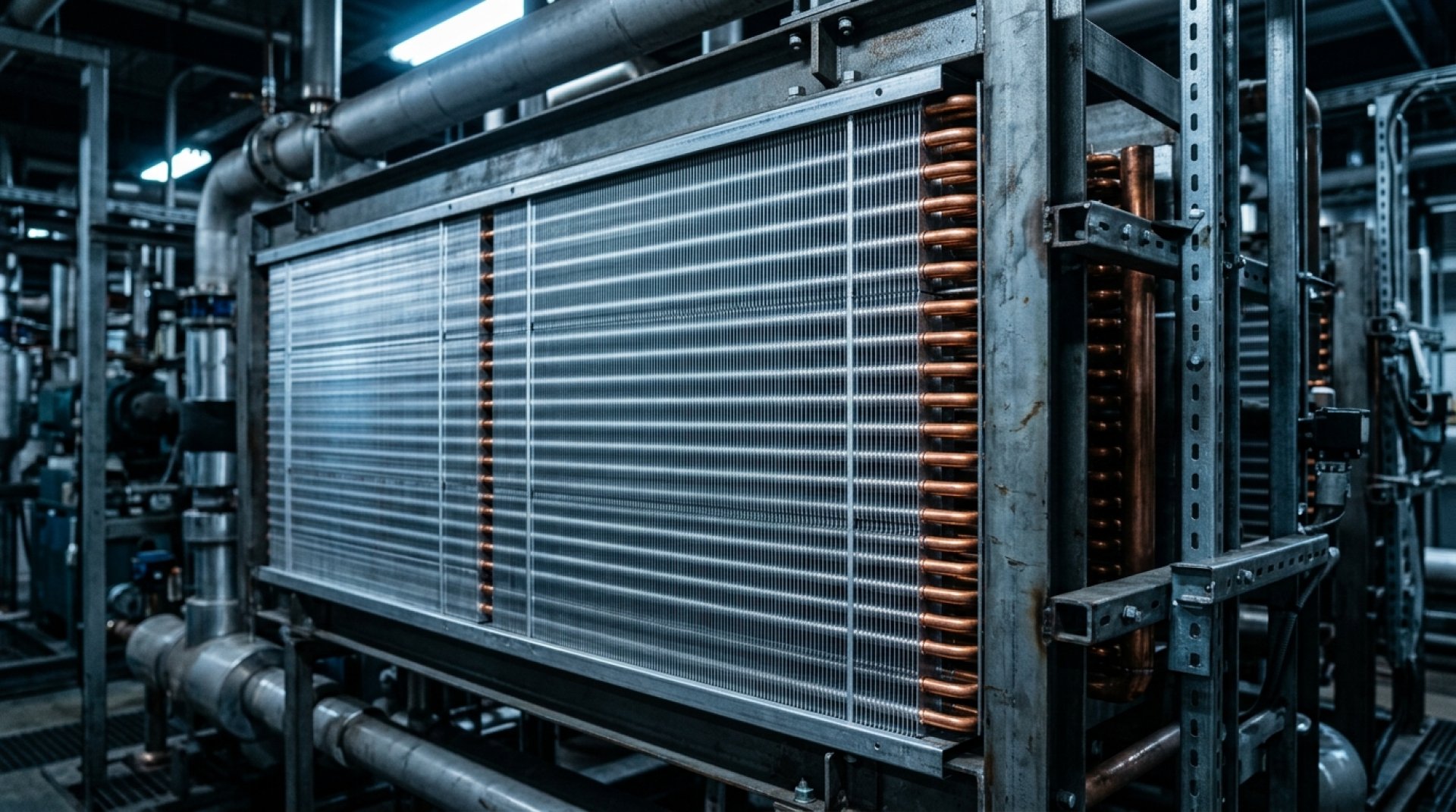
A heat dissipation panel operates on a fundamental thermal engineering principle: maximizing surface area. The panel consists of tubes that carry a hot fluid such as coolant or refrigerant, with a large number of fins bonded to those tubes. When air or a fan flows across the fins, heat from the fluid transfers through the tube walls into the fins and dissipates rapidly into the surrounding air. The greater the fin surface area and the better the arrangement, the higher the heat transfer efficiency.
2. Types and Materials of Cooling Fins
Material choice directly affects performance and service life:
- Copper Fin-Tube: Copper offers the best thermal conductivity and good corrosion resistance, ideal for applications demanding maximum heat transfer, though it is heavier and more expensive.
- Aluminium Fin-Tube: Lightweight, cost-effective, and still highly conductive, aluminium is popular for general HVAC and cooling applications.
- Copper-Aluminium Hybrid: Combines copper tubes with aluminium fins to balance performance, weight, and cost.
There is also the matter of the fin-to-tube bond. If the bonding between the fins and the tubes is loose or has gaps, heat will not transfer fully no matter how good the material is. This makes the manufacturing quality of a panel just as important as the material it is made from.
3. Industrial Applications
Heat dissipation panels appear across many systems: heating and cooling coils in HVAC, compressor heat-rejection units, hydraulic oil coolers, and as part of process heat-exchange equipment. In large water-cooled systems, these panels frequently work alongside a cooling tower to manage the total heat load of an entire plant.
In automotive and heavy-machinery plants, heat dissipation panels protect engines and drivetrains from exceeding their temperature limits, while in the electronics and data-center sectors, small but high-density panels protect temperature-sensitive components. Understanding the context in which a panel operates helps you specify it to match the real-world load it must handle.
4. Criteria for Selecting a Heat Dissipation Panel
Choosing the right panel requires evaluating several factors:
- Heat Load: Calculate the amount of heat to be rejected in kW or BTU/hr.
- Fluid and Air Flow Rate: This determines required tube sizing and fan power.
- Fin Density (FPI Fins Per Inch): Dense fins provide more surface area but clog easily and create higher air resistance; wider spacing is easier to clean but rejects less heat.
- Environment: In the presence of salt mist, chemicals, or high humidity, choose corrosion-resistant materials or coatings.
5. Signs of Fouling and Maintenance
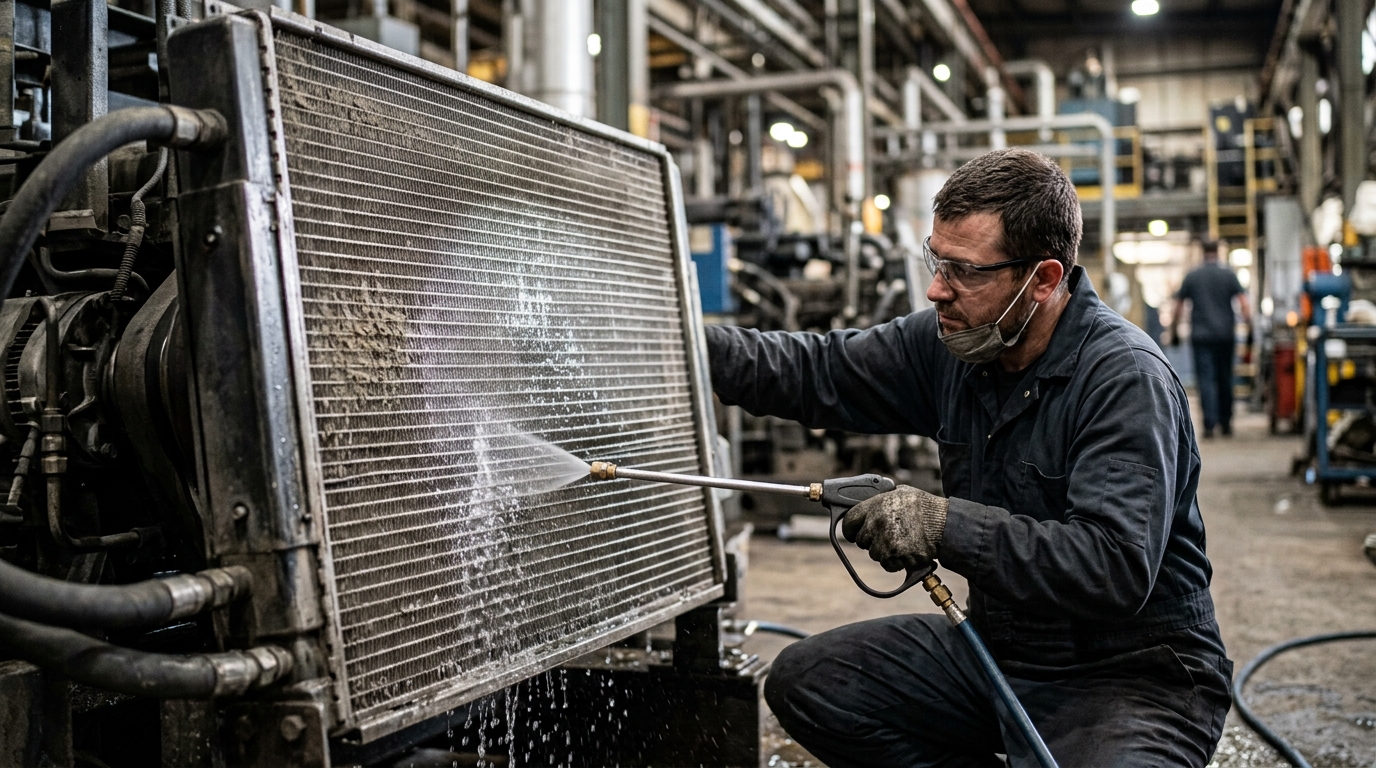
When a heat dissipation panel underperforms, it usually shows warning signs: higher-than-normal outlet fluid temperature, increased energy consumption, rising pressure drop across the panel, and visible dust or scale on the fins. Good maintenance includes:
- Scheduled Cleaning: Use compressed air or low-pressure water to remove dust from the fins, along with a dedicated cleaner for fluid-side scaling.
- Fin Combing: Bent fins block airflow; a fin comb restores them to alignment.
- Inspecting for Leaks and Corrosion: If tubes are leaking or heavily corroded, performance will not recover and a replacement should be considered.
6. When to Replace the Panel
When should you replace rather than repair? When the cost of frequent cleaning and repairs exceeds the investment in a new panel, or when the fins are corroded beyond their rated heat-transfer capability. Clear signals include performance that does not recover even after cleaning, repeated leaks that force you to plug multiple tubes (which reduces the heat-exchange area), or fins that have corroded and fallen away. Forcing a degraded panel to keep running drives the whole system to consume far more energy than necessary and risks overheating the upstream equipment.
Investing in a new panel designed for the current heat load typically pays for itself through the energy savings and the reduction in unplanned downtime. Innovek is ready to advise on selecting and sourcing the right heat dissipation panels for your system, along with heat exchangers and drive shafts for cooling fans, ensuring your system runs at peak efficiency and saves energy over the long term.