What is a Cooling Tower? How to Choose for Energy Efficiency | Innovek
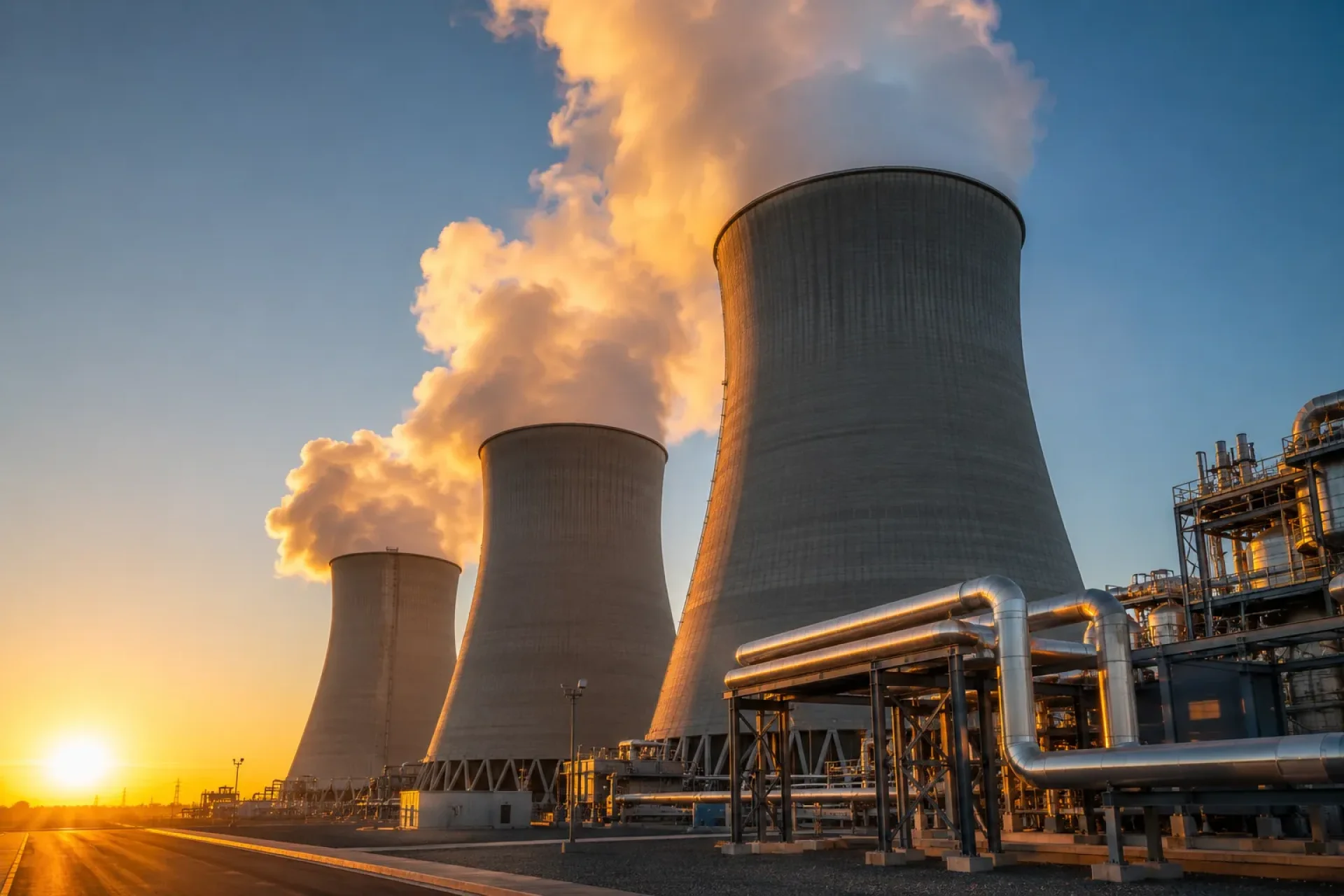
What is a Cooling Tower? The Ultimate Guide for Modern Industries
In the industrial world that operates 24/7, heat is an unavoidable byproduct. Whether in power plants, oil refineries, chemical plants, or large-scale HVAC systems, a highly efficient cooling system is absolutely paramount. This is exactly where the Cooling Tower comes into play.
1. How a Cooling Tower Works
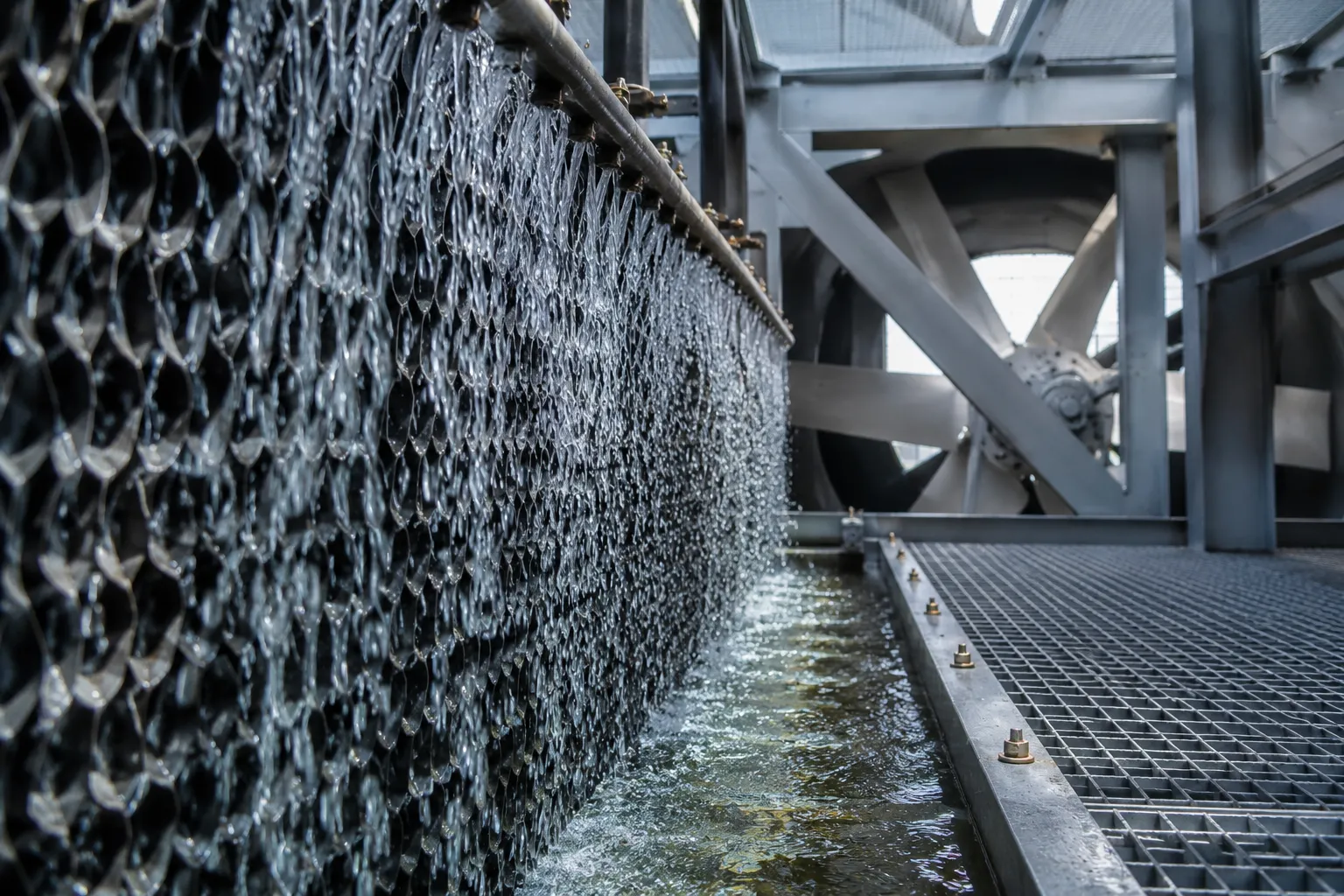
A Cooling Tower operates primarily on the principle of evaporative cooling. When hot water from an industrial process enters the tower, it is distributed into fine droplets through spray nozzles onto the fill media. This maximizes the surface area for water-to-air contact. Simultaneously, a large fan draws outside air through the falling water. The contact between the water and the air causes a small portion of the water to evaporate into vapor. This evaporation process extracts latent heat from the remaining water, significantly lowering its temperature. The cooled water is then pumped back to cool the industrial process once again.
2. Types of Cooling Towers
Choosing the right type of cooling tower for your specific site is crucial. They are generally categorized by the direction of airflow: * Crossflow Cooling Towers: Air flows horizontally, crossing the downward fall of the water. The main advantage is easy access to internal components, making maintenance highly convenient. They also typically require less pump head pressure, saving energy. * Counterflow Cooling Towers: Air is drawn vertically upward, counter to the falling water. This design is usually more compact and can offer higher cooling efficiency in restricted footprint areas, although maintenance can be slightly more complex.
3. Indispensable Internal Components
Beyond the external structure, a cooling tower's efficiency heavily relies on these internal parts: * Fill Media: Its job is to increase the contact surface area and time between air and water. If the fill is clogged, efficiency drops drastically. * Spray Nozzles: Ensures an even distribution of water over the fill. Malfunctioning nozzles lead to water channeling, resulting in incomplete heat exchange. * Drift Eliminators: Designed to capture water droplets entrapped in the air stream and prevent them from escaping into the environment. This saves water and reduces the spread of bacteria. * Drive Shafts and Fans: The mechanical driving force. They must be highly durable against extreme moisture to maintain a consistent airflow.
4. Maintenance for Longevity and Cost Reduction
Installing a premium cooling tower is just the beginning. Proper maintenance is the core of energy savings: 1. Water Treatment: Water with high mineral content leads to scaling on the fill media and piping, acting as an insulator and worsening heat transfer. Proper chemical dosing or side-stream filtration is required. 2. Fan and Motor Inspection: Regularly check belt tension or the balance and alignment of drive shafts to prevent catastrophic vibrations. 3. Annual Deep Cleaning: Consistently remove sludge from the cold water basin and power-wash the fill media.
With decades of specialized experience, Innovek Asia is ready to be your comprehensive consultant and service provider for all your Cooling Tower needs, ensuring your industrial operations run smoothly without interruption.