Cooling Tower Drive Shafts: The Overlooked Heart of the Fan Drive System
Key Takeaways
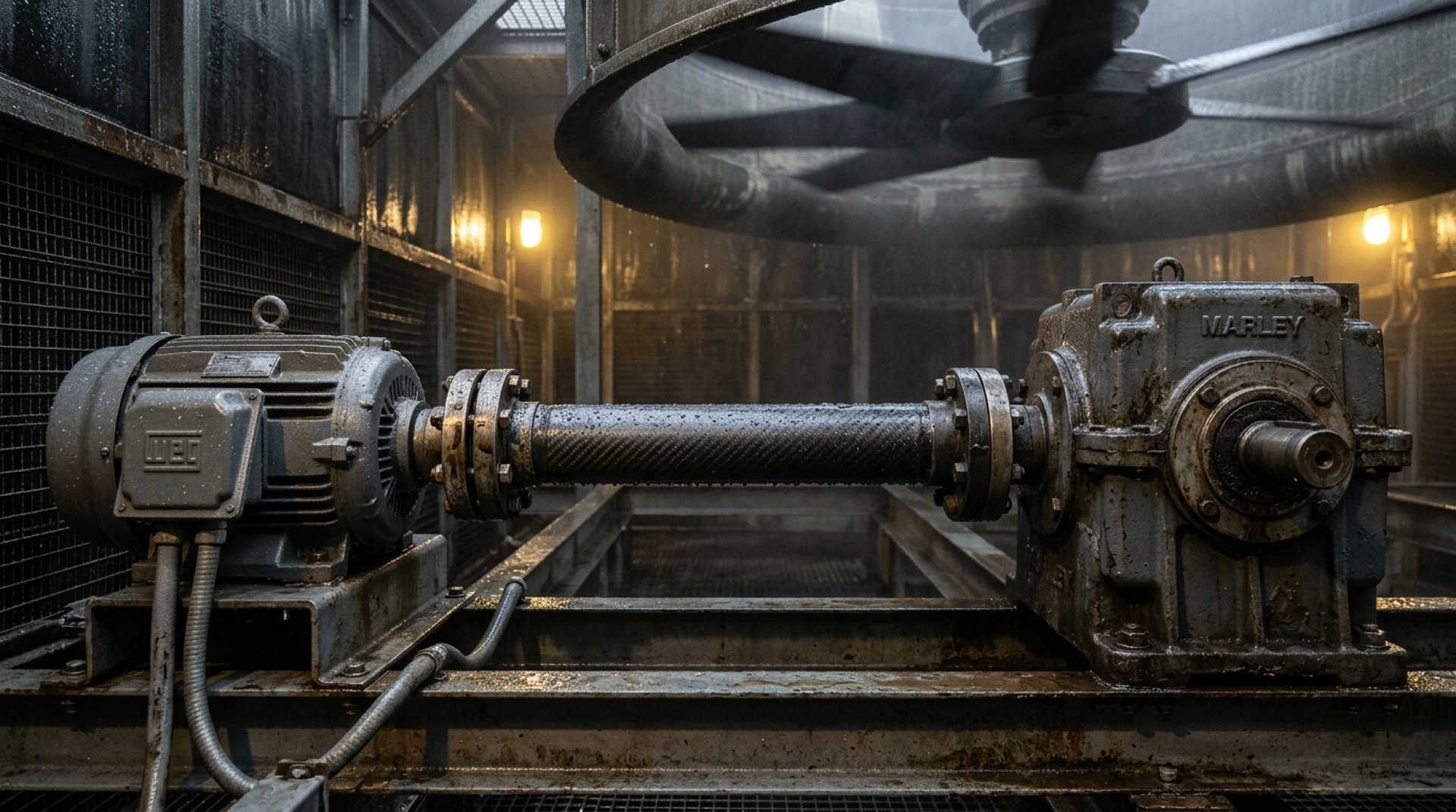
- A cooling tower drive shaft transmits power from the motor (outside the wet airstream) to the gearbox and fan inside the tower.
- It works in the harshest part of the towerhumidity, corrosion, and vibrationso it is a frequent failure point.
- Composite shafts (such as Addax) resist corrosion, tolerate misalignment, and need no lubrication, increasingly replacing traditional steel shafts.
- Common problems are misalignment, imbalance-induced vibration, and worn couplings, which can cascade into gearbox and bearing damage.
- Correct alignment, scheduled vibration checks, and matching materials to the environment substantially reduce downtime.
Cooling Tower Drive Shafts: The Small Part That Stops the Whole System
When a cooling tower fan stops suddenlysending coolant temperature soaring and disrupting the whole processmany engineers look first at the motor or the fan blades. In reality, one of the most frequent failure points is the smallest, most overlooked component: the drive shaft that links power from the motor to the fan. This article explains why this part matters and how to keep the system running. For the fundamentals of industrial drive shafts, read our deep dive into industrial drive shafts.
1. The Drive Shaft's Role in a Cooling Tower
In an induced-draft cooling tower, the motor is usually mounted outside the tower casing to keep it out of the wet, corrosive airstream. Power is then transmitted through a drive shaft that spans the plenum into a right-angle gear reducer, which changes the rotation direction and reduces speed before driving the large fan at the right rpm. In effect, the drive shaft is the power bridge sitting between the motor and the gearbox-and-fan. If it fails, the entire cooling system stops instantly.
2. Why It Fails So Often
A cooling tower drive shaft works in the harshest environment of the whole system. It sits in an airstream saturated with humidity and chemically treated water droplets that accelerate metal corrosion. It also carries high torque, vibration from the fan, and misalignment between motor and gearbox caused by structural settling or imperfect installation. Together, these make the drive shaft and its couplings wear and fail before other partsand once trouble starts, the resulting vibration often cascades into damage to far more expensive bearings and gearboxes.
3. Traditional Steel Shafts vs Composite Shafts
Traditional cooling tower drive shafts are usually steel, using a flexible coupling or universal joint to accommodate misalignment. They are strong and familiar, but corrode easily in wet conditions, are heavy, and require periodic lubrication and coupling maintenance.
Today, composite drive shafts such as the Addax brand are increasingly popular for cooling towers, because their composite material is naturally corrosion-resistant, lightweight, and can absorb both angular and parallel misalignment on their own without a separate universal jointand, crucially, need no lubrication, cutting maintenance points sharply. In many cases, switching from steel to composite clearly extends maintenance intervals and eliminates recurring failures at the source.
4. Common Problems and How to Prevent Them
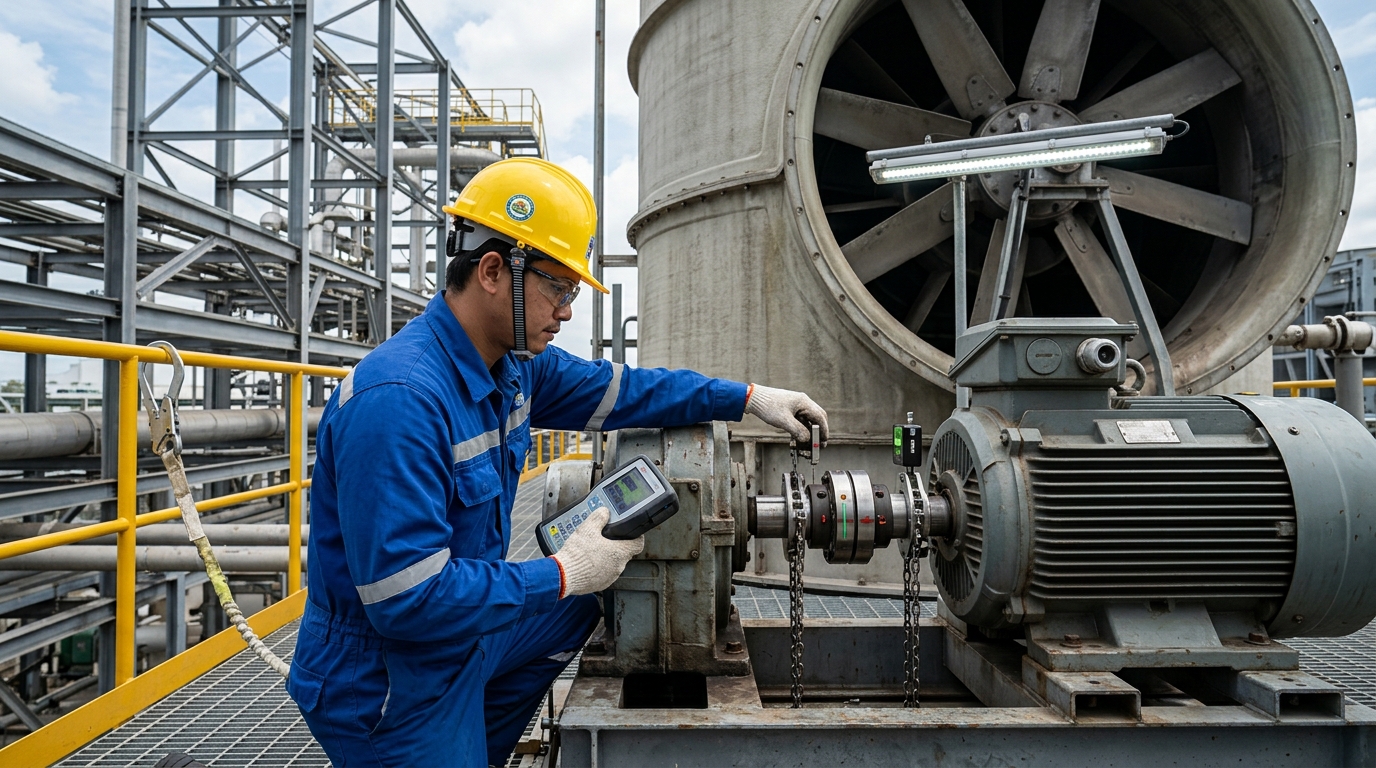
- Misalignment: A leading cause of vibration and failure. Always perform laser alignment after installation or repair, and re-check after the structure carries full load.
- Imbalance-induced vibration: An unbalanced shaft or fan creates vibration that wears bearings and gears. Perform balancing and scheduled vibration analysis.
- Worn couplings: Periodically inspect joints, rubber elements, or flexible parts and replace them before they fail mid-run.
- Corrosion: Match shaft and hardware materials to the chemistry of the water and air; choosing composite here often pays off long-term.
5. Warning Signs Before a Drive Shaft Fails
The good news is that a drive shaft usually gives warning signs before it truly failsand if the crew catches them, they can plan a repair before an emergency shutdown. Common signs include unusual or rhythmic knocking noises from the plenum area, vibration readings that steadily rise against the baseline, visible corrosion or cracks on the shaft and coupling, excessive play at the joints, and abnormal heat buildup at the shaft-end bearings. Establishing a vibration baseline at new installation and then measuring against it on a schedule is the most effective way to catch problems earlybefore minor vibration cascades into gearbox and motor damage that costs many times more to fix.
6. Treat the Drivetrain as One Assembly
The key is to view the motor, drive shaft, gearbox, and fan as one "drivetrain," not separate partsbecause a problem in one always cascades to another. Selecting the right shaft and coupling, aligning precisely, and running preventive vibration checks are what separate plants whose cooling towers run continuously from those that suffer repeated emergency shutdowns. For an in-depth approach to selecting and maintaining drive shafts, read how to select and maintain durable drive shafts.
Innovek supplies and maintains complete cooling tower drivetrainscomposite drive shafts, gear drives, and fanswith alignment and vibration services. Contact us to reduce your cooling system downtime.