Preventive Maintenance Guide for Cooling Towers to Reduce Downtime and Increase Efficiency
Last updated: 15 Mar 2026
1802 Views
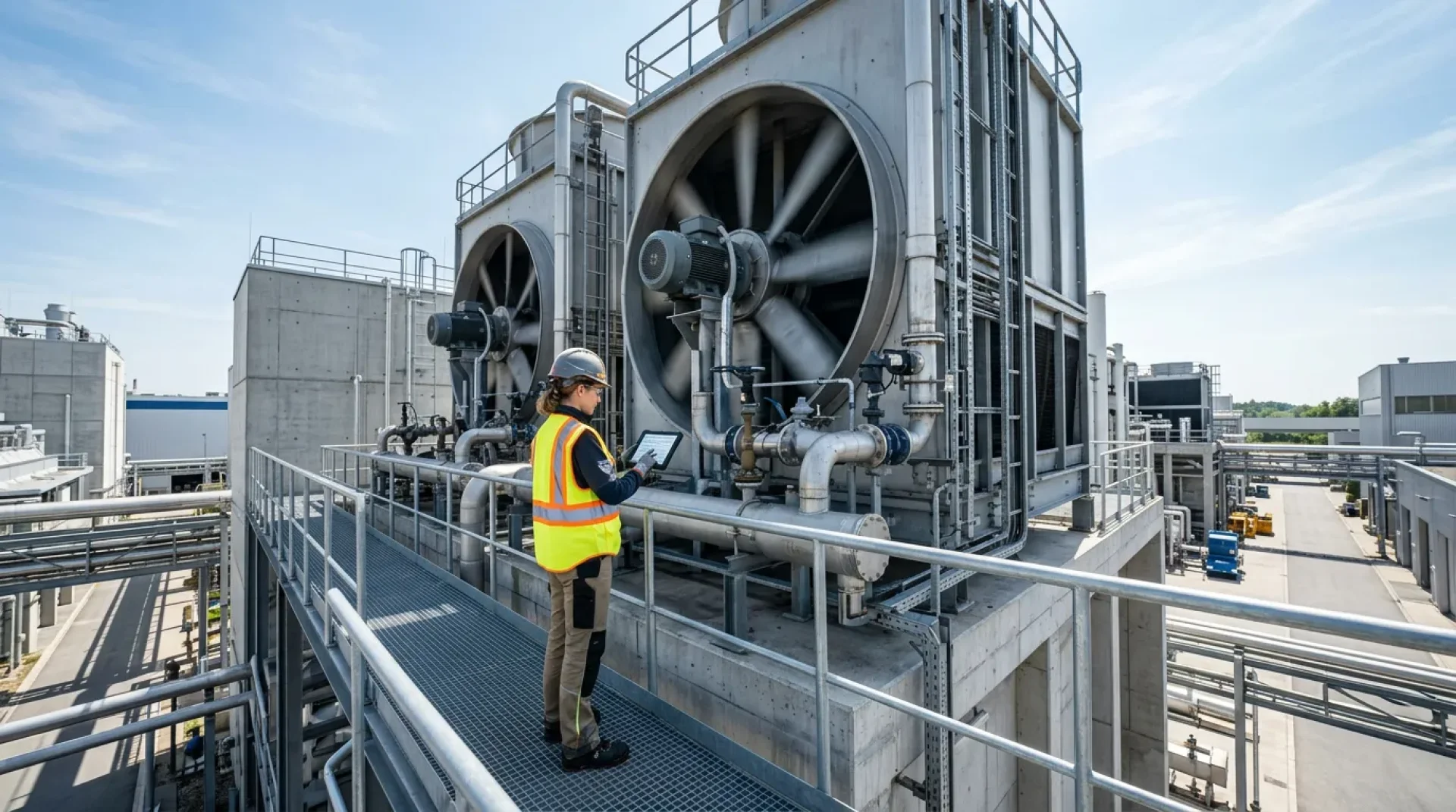
In the manufacturing world where competing against time and order fulfillments is crucial, 'Downtime'—or emergency system shutdowns—is the ultimate enemy that diminishes a plant's profitability. Industrial Cooling Systems, particularly Cooling Towers, act as the heart that continuously pumps and dissipates heat, allowing machinery to operate smoothly. Without a proper and rigorous Preventive Maintenance (PM) plan, these systems will gradually degrade. This leads to higher energy consumption, reduced thermal performance, and ultimately, catastrophic equipment failures that result in massive repair costs.
Why is Preventive Maintenance Important?
PM is not merely sending a technician to fix a machine when it shows signs of malfunction; it is the systematic planning, inspection, and care of machinery according to a maintenance schedule. The goal is to maintain the system's 'Thermal Performance' at its peak throughout its lifespan. A neglected cooling tower often faces scaling issues on its water distribution components, reducing the contact area between water and air. Consequently, the fan must work harder to compensate for the lost cooling efficiency, leading to a noticeable surge in electrical consumption.
1. Water Management & Treatment:
This is the most critical aspect of an open-loop system. As water evaporates, it leaves behind concentrated minerals. Without proper chemical dosing, these minerals will precipitate into hard scale and cause corrosion to metal components. Furthermore, the periodic use of biocides is a legal requirement to prevent the growth of Legionella bacteria, which poses a severe respiratory hazard to facility personnel.
2. Mechanical System Inspection:
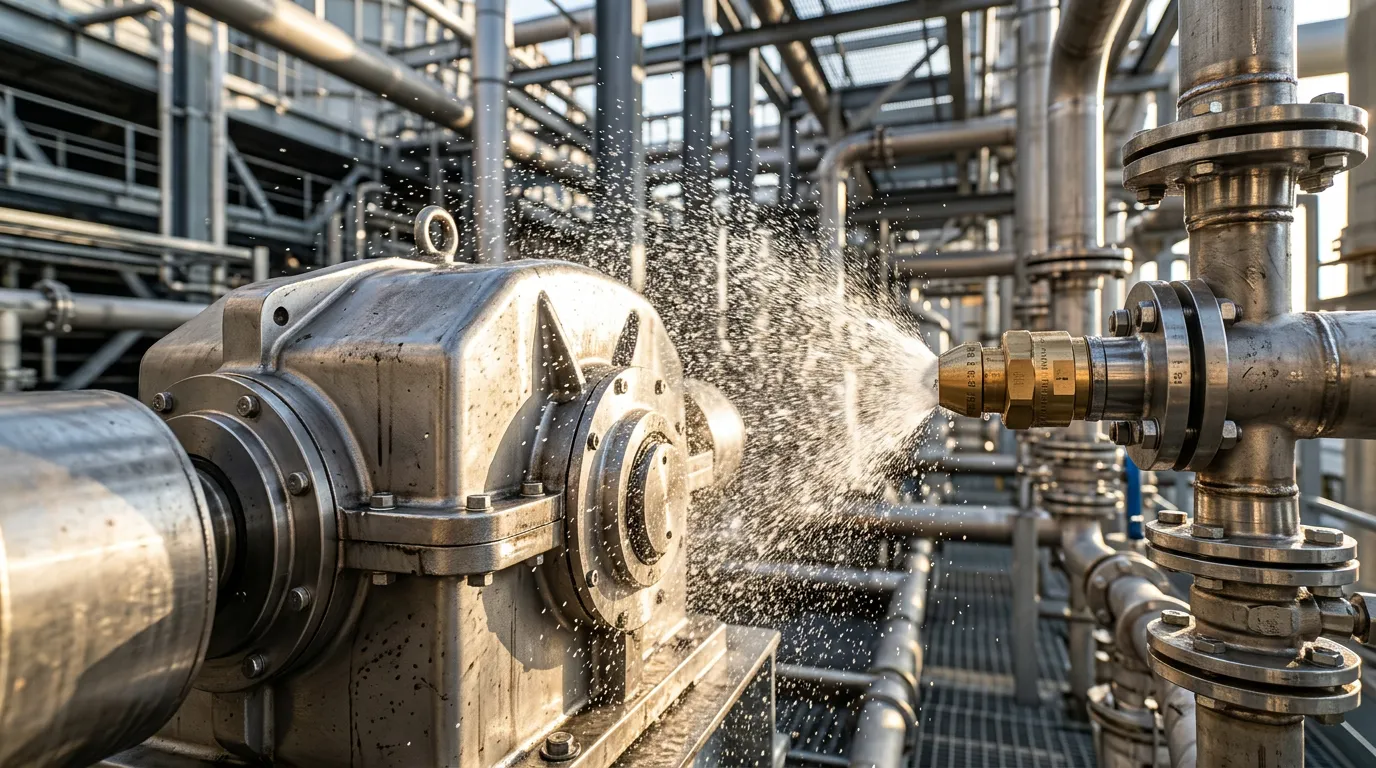
The core of airflow management relies on the fan assembly, motor, and gearbox. Performing shaft alignment, checking belt tension, and changing gearbox lubricating oil according to the manufacturer's specified intervals will significantly reduce friction and excessive vibration—the primary causes of motor bearing failures.
3. Physical Deep Cleaning:
Dirt, dust, and biological debris often accumulate in the cold water basin and clog the fill media and nozzles. Low-pressure water jet cleaning and replacing degraded fill media will restore the necessary gaps for smooth airflow and ensure water is perfectly distributed into a fine mist.
The ROI of Maintenance (Return on Investment)
Many plants view maintenance as an unnecessary expense, but in reality, PM is an investment that yields the highest Return on Investment (ROI). Lowering the cooling water temperature by just 1 degree Celsius can save a chiller system's energy consumption by 2-3% annually. When combined with avoiding compressor replacements or evading fines from discharging sub-standard wastewater, the value saved is tenfold the cost of hiring a maintenance company. Entrusting the experts from Innovek to manage your annual preventive maintenance plan is the smartest step toward the sustainable growth of your industry.
Why is Preventive Maintenance Important?
PM is not merely sending a technician to fix a machine when it shows signs of malfunction; it is the systematic planning, inspection, and care of machinery according to a maintenance schedule. The goal is to maintain the system's 'Thermal Performance' at its peak throughout its lifespan. A neglected cooling tower often faces scaling issues on its water distribution components, reducing the contact area between water and air. Consequently, the fan must work harder to compensate for the lost cooling efficiency, leading to a noticeable surge in electrical consumption.
The 3 Pillars of Cooling Tower Maintenance
Maintaining a cooling tower for a long lifespan and optimal efficiency involves three main components that must be executed concurrently:1. Water Management & Treatment:
This is the most critical aspect of an open-loop system. As water evaporates, it leaves behind concentrated minerals. Without proper chemical dosing, these minerals will precipitate into hard scale and cause corrosion to metal components. Furthermore, the periodic use of biocides is a legal requirement to prevent the growth of Legionella bacteria, which poses a severe respiratory hazard to facility personnel.
2. Mechanical System Inspection:
The core of airflow management relies on the fan assembly, motor, and gearbox. Performing shaft alignment, checking belt tension, and changing gearbox lubricating oil according to the manufacturer's specified intervals will significantly reduce friction and excessive vibration—the primary causes of motor bearing failures.
3. Physical Deep Cleaning:
Dirt, dust, and biological debris often accumulate in the cold water basin and clog the fill media and nozzles. Low-pressure water jet cleaning and replacing degraded fill media will restore the necessary gaps for smooth airflow and ensure water is perfectly distributed into a fine mist.
The ROI of Maintenance (Return on Investment)
Many plants view maintenance as an unnecessary expense, but in reality, PM is an investment that yields the highest Return on Investment (ROI). Lowering the cooling water temperature by just 1 degree Celsius can save a chiller system's energy consumption by 2-3% annually. When combined with avoiding compressor replacements or evading fines from discharging sub-standard wastewater, the value saved is tenfold the cost of hiring a maintenance company. Entrusting the experts from Innovek to manage your annual preventive maintenance plan is the smartest step toward the sustainable growth of your industry.
Related Content

A clear comparison between Cooling Towers and Heat Exchangers: Which system best suits your plant? Dive into their pros, cons, and the secret of combining them in a Closed-loop system to extend machinery lifespan and achieve sustainable energy savings.
15 Mar 2026

Discover how industrial thermal insulation impacts heat exchanger systems: saving energy, enhancing safety, and extending machinery lifespan.
4 May 2026
หัวสเปรย์หรือ Spray Nozzle สำหรับการใช้งานในระบบ Cooling Tower มีหลายประเภท ซึ่งถูกออกแบบมาเพื่อรองรับการใช้งานที่หลากหลายในอุตสาหกรรม โดยทั่วไปแล้ว หัวสเปรย์จะถูกแบ่งตามรูปแบบการกระจายตัวของน้ำ มุมของละอองน้ำ และขนาดของหยดน้ำ โดยประเภทของหัวสเปรย์ nozzle ที่ได้รับความนิยม
17 Dec 2024