Heat Exchanger: A Heat Transfer Device in Cooling Tower Systems
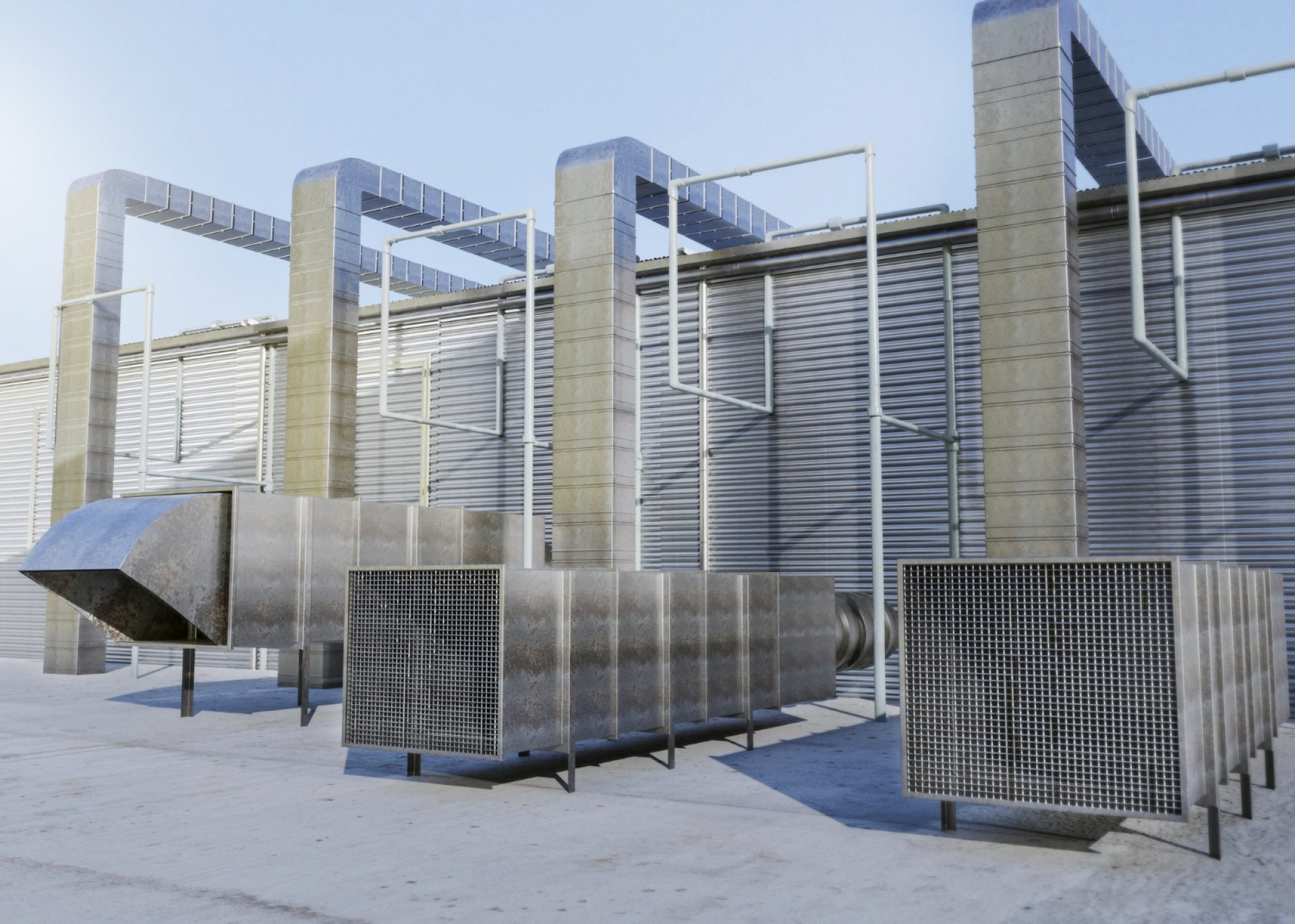
In many industries that use Cooling Towers, temperature control of the water is crucial and cannot be overlooked, especially in processes that require cooling to regulate the temperature of machinery or various fluids. The use of a heat exchanger plays a key role in ensuring the Cooling Tower system operates at maximum efficiency. It enhances heat dissipation performance and reduces overall energy consumption.
In this article, well explore what a heat exchanger is and its role in Cooling Tower systems, especially how it improves heat transfer efficiency. Well also look at how to select the appropriate type of heat exchanger and the benefits of installing one in a Cooling Tower system to achieve optimal performance.
What is a Heat Exchanger?
A heat exchanger is a device used to transfer thermal energy from one fluid or gas to another without allowing the two substances to come into direct contact. In Cooling Tower systems, a heat exchanger allows for the pre-cooling of hot water before it enters the Cooling Tower, which reduces the workload on the tower and enhances cooling efficiency.
By incorporating a heat exchanger, the system can maintain water temperature within suitable ranges for various processes such as cooling machinery or factory systems. Therefore, it will be improving overall energy efficiency and system performance.
How the Heat Exchanger Works?
Here are the basic principles of how the heat exchanger functions:
- Heat Transfer: The core function is to transfer heat from one fluid to another without direct contact, which is essential for maintaining temperature control within the system.
- Fluid Circulation: Two fluids with different temperatures circulate within the heat exchanger. Typically:
- A high-temperature fluid (e.g., hot water from machinery) flows through one side.
- A low-temperature fluid (e.g., chilled water from the Cooling Tower) flows through the other. - Heat Exchange: Heat is transferred from the hot fluid to the cooler fluid via a wall or barrier that separates them. This wall allows heat to pass while preventing mixing.
- Temperature Control in Cooling Towers: In Cooling Tower systems, the heat exchanger helps lower the temperature of hot water from production processes or machinery before it reaches the Cooling Tower, enabling more efficient heat rejection.
- Choosing the Right Heat Exchanger: Selecting the appropriate heat exchanger depends on system size, desired temperature levels, and the types of fluids used. This ensures efficient heat transfer, reduces energy use, and enhances Cooling Tower performance.
Types of Heat Exchangers for Cooling Towers
Several types of heat exchangers are designed for different applications. The right choice depends on the system requirements and efficiency needs:
- Shell and Tube Heat Exchanger: The most commonly used type, consisting of multiple tubes enclosed in a shell. One fluid flows through the tubes while another flows around them. This design is highly efficient and ideal for large Cooling Tower systems handling large volumes of water or fluid.
- Plate Heat Exchanger: Made up of multiple thin metal plates with flow channels. Hot and cold fluids pass through alternating channels, providing compact size and high efficiency. Suitable for small to medium-sized Cooling Tower systems.
- Air-Cooled Heat Exchanger: Uses ambient air to dissipate heat from fluids, eliminating the need for water. Ideal for water-scarce environments or areas where water usage must be minimized. Effective even in high-temperature conditions.
- Fin Fan Heat Exchanger: Utilizes fans and finned surfaces to enhance heat transfer area. Air is forced over the surface to remove heat from the fluid. Suitable for air-based cooling systems and water-saving applications.
Innoveks expertise recommend procedure to install Cooling Tower
As discussed, heat exchangers are crucial for enhancing the performance of Cooling Tower systems by improving heat transfer and reducing energy consumption. Choosing the right heat exchanger tailored to your specific application ensures the system runs at peak efficiency.
If you're seeking a professional Cooling Tower installation service with expertise in system design and proper heat exchanger selection, Innovek, we are ready to provide consultation and high-quality installation services. With extensive experience handling large-scale Cooling Tower systems across various industries, we offer expert advice and solutions tailored to your business needs.
Innovek, we are confident in delivering high-performance Cooling Tower and heat exchanger systems that are energy-efficient and reliable for long-term operation.