Industrial Spray Nozzle Selection Guide for Efficiency
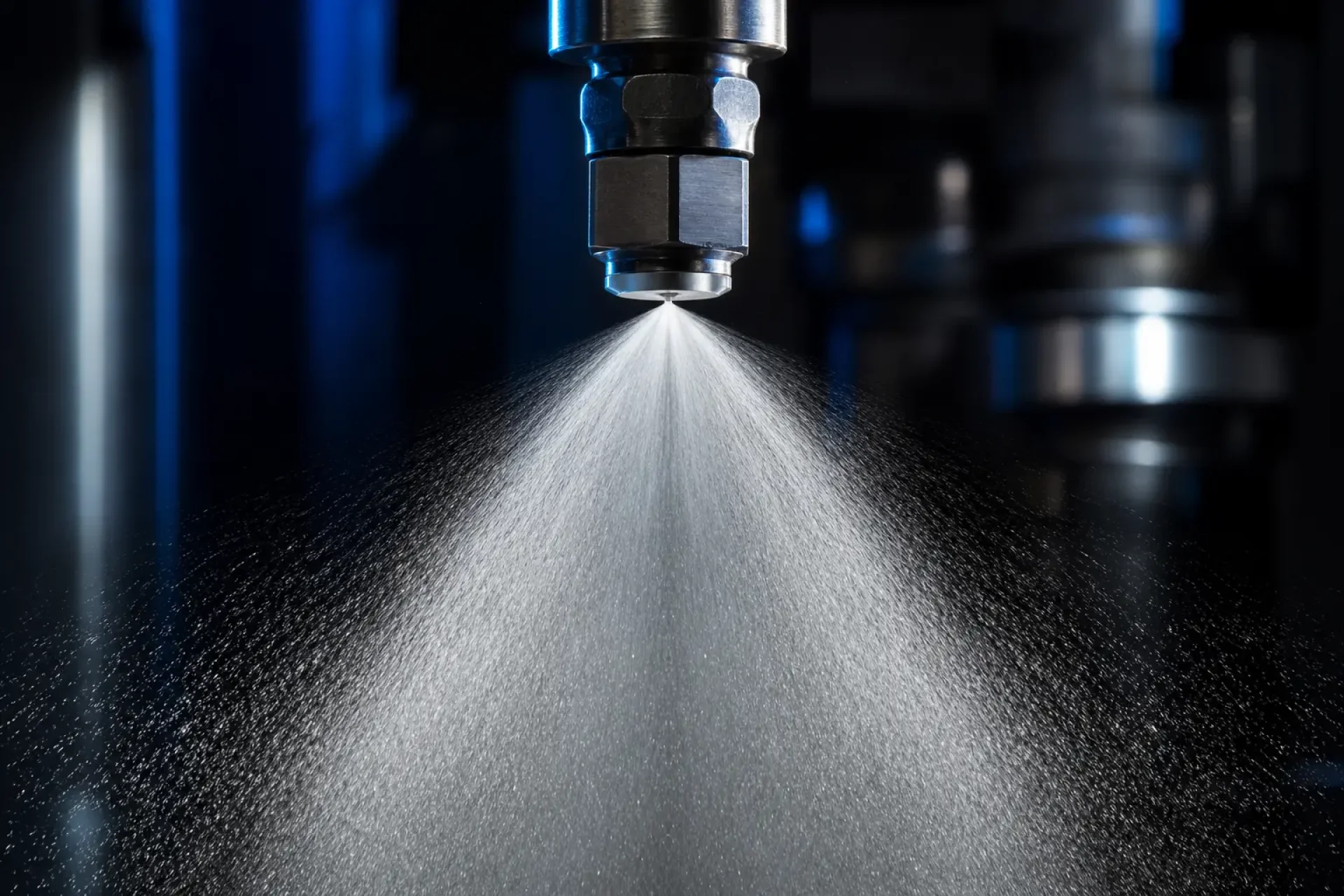
When looking at large-scale cooling systems or Cooling Towers, eyes are naturally drawn to the massive fans or towering structures. However, in reality, the majority of the heat transfer efficiency is dictated by a relatively small device known as the Spray Nozzle.
1. The Function of a Spray Nozzle in Cooling Systems
In the evaporative cooling process, the core objective is to maximize water-to-air contact. The Spray Nozzle's job is to transform a solid stream of water into a fine mist or atomized droplets. As droplet size decreases, the total surface area of the water increases exponentially, allowing the air to extract latent heat much faster and more efficiently.
2. Types of Spray Nozzles and Their Applications
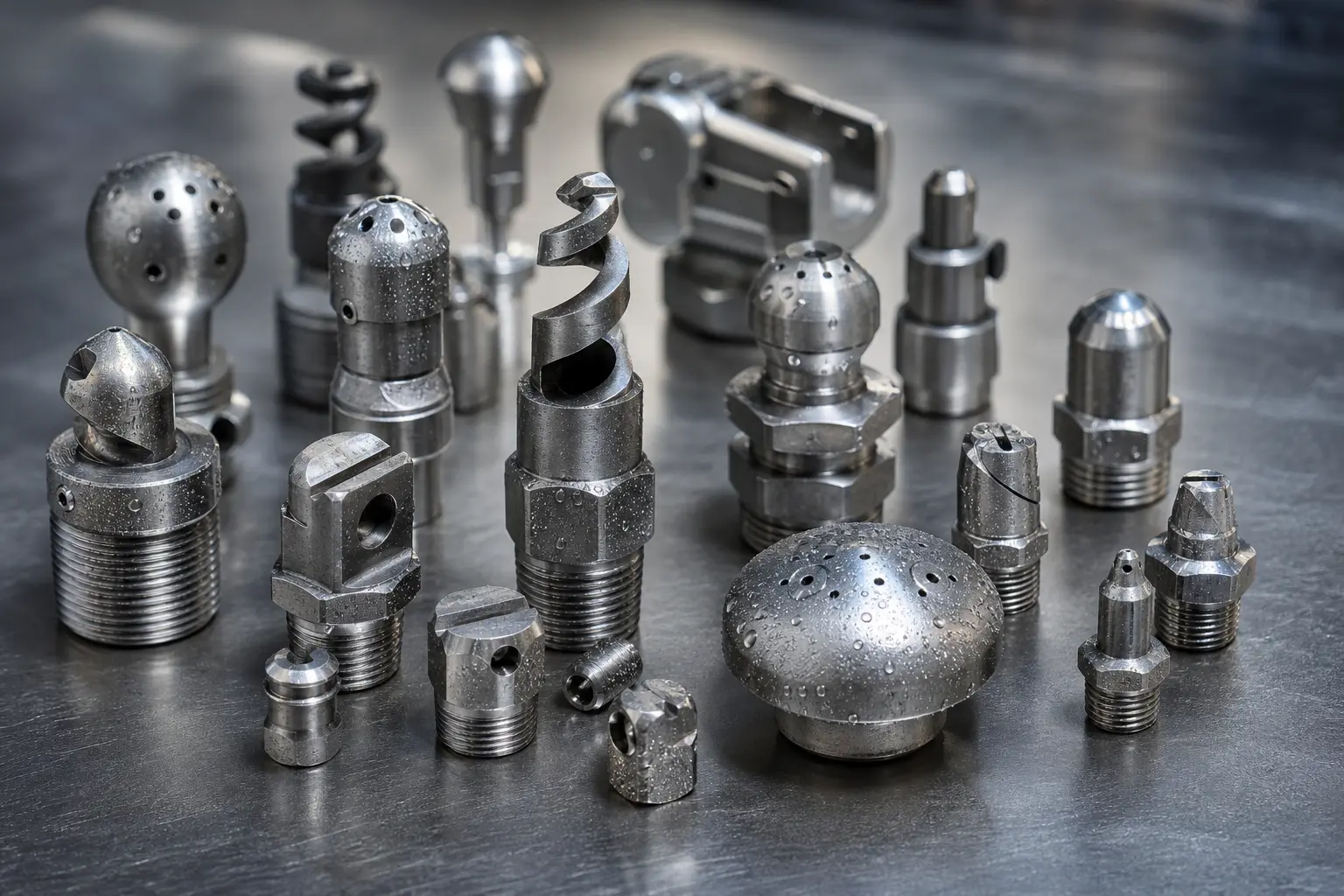
Industrial spray nozzles come in various designs, each tailored for specific tasks: * Full Cone Nozzles: These produce a solid cone-shaped spray pattern, ensuring uniform water distribution over a specific area. They are highly popular in Counterflow Cooling Towers to completely cover the fill media. * Hollow Cone Nozzles: These spray water in a ring or hollow cone shape, generally producing smaller droplet sizes than full cone nozzles. They are ideal for cooling applications that require rapid evaporation. * Flat Fan Nozzles: Producing a flat sheet of water, these are more commonly used in cleaning processes or product washing on assembly lines rather than inside cooling towers.
3. Common Problems and Solutions
The most classic problem with piping and nozzle systems is Clogging. When cooling water contains debris, algae, or scale, these impurities can block the nozzle orifices. This creates "Dry Spots" on the fill media. When the fill is dry, air takes the path of least resistance and bypasses the water, causing an immediate drop in cooling tower performance. The Solution: Consider upgrading to Non-clogging design spray nozzles which feature larger, unobstructed openings. Pairing this with a robust side-stream filtration system is the best preventative measure.
4. Nozzle Material Selection
Water quality dictates the nozzle material. If the water is highly corrosive or operates at extreme temperatures, standard plastics can become brittle and crack. Many industries opt for engineering plastics (like Polypropylene, PVC) or Stainless Steel to withstand water treatment chemicals and harsh environments.
Innovek offers specialized Spray Nozzle solutions engineered to withstand the toughest industrial conditions, ensuring pristine water distribution, minimizing clogging issues, and pushing your cooling system's efficiency to its absolute limit.