The Importance of Industrial Drive Shafts & Maintenance | Innovek
Industrial Drive Shafts: The Lifeline of Power Transmission
Whether it's a massive fan atop a Cooling Tower, a conveyor belt in a mine, or a heavy-duty water pump, these systems all require an intermediary to transfer power from a motor to drive their mechanisms. That indispensable intermediary is the Drive Shaft.
1. The Function of Drive Shafts in Industry
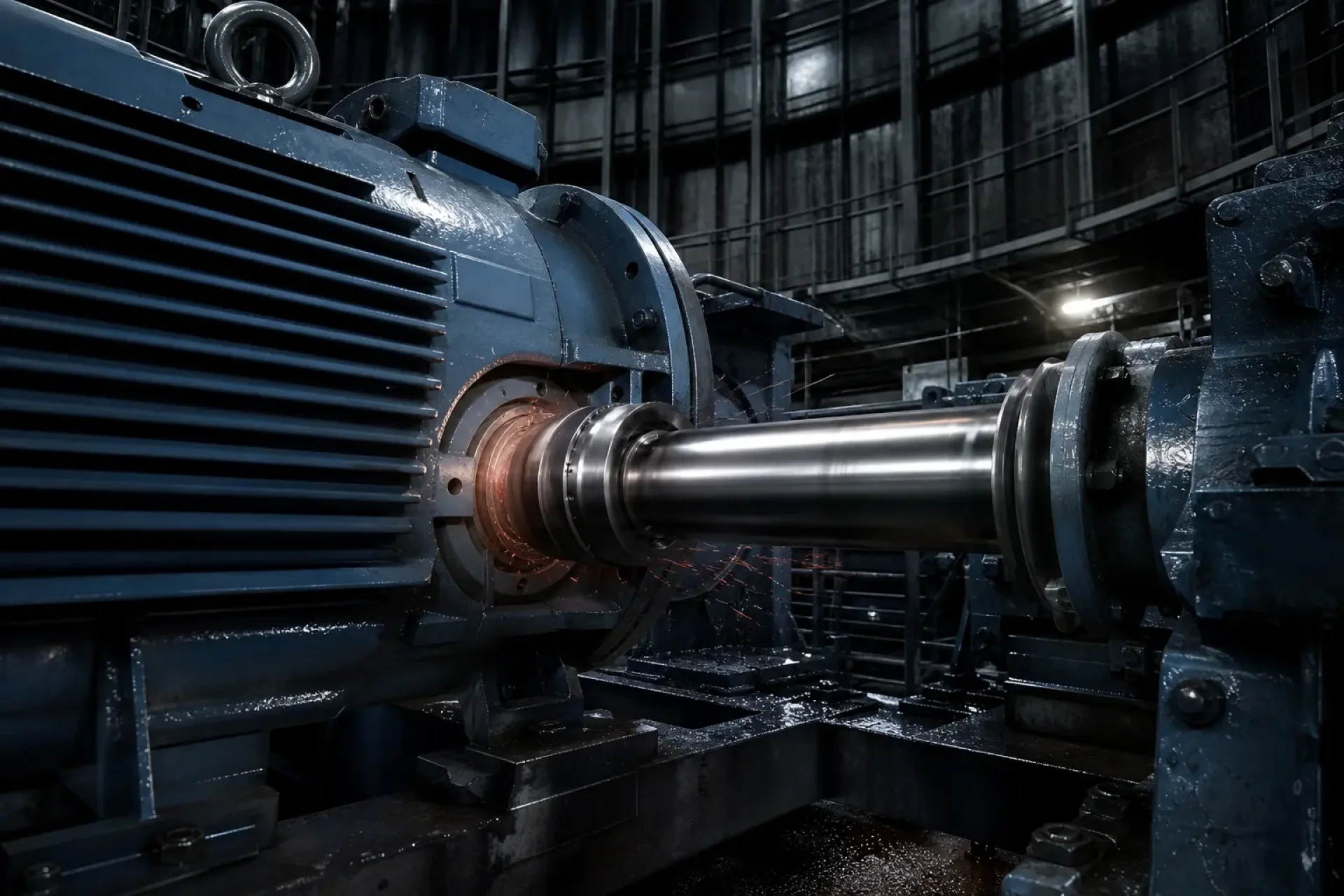
Drive Shafts are mechanical engineering components designed to transmit Torque and Rotation from a power source (like an electric motor or engine) to driven equipment. Because motors and driven machines often cannot be mounted directly flush against each other, the drive shaft acts as a bridge spanning that distance.
2. The Drive Shaft Challenge in Cooling Towers
Inside a cooling tower, a drive shaft faces one of the harshest industrial environments possible: constant 100% humidity and water droplets laden with treatment chemicals. Standard carbon steel drive shafts will rust and deteriorate rapidly. Modern Alternatives: * Stainless Steel Drive Shafts: Offer excellent corrosion resistance but come with the drawback of being extremely heavy, which can put immense stress on motor and gearbox bearings. * Composite Drive Shafts (Carbon Fiber/Fiberglass): This is the leading innovation for cooling systems today. They are up to 80% lighter than steel, entirely immune to rust, and naturally absorb vibrations better than metals.
3. The Ultimate Enemy: Misalignment and Vibration
The number one cause of premature drive shaft failure isn't old age; it is Misalignment. When the centerlines of the motor shaft and the gearbox shaft are not perfectly straight, the drive shaft flexes and bends with every single revolution. This induces severe destructive Vibration. The consequences are catastrophic: shattered couplings, destroyed bearings, and unplanned operational downtime.
4. Predictive Maintenance Techniques
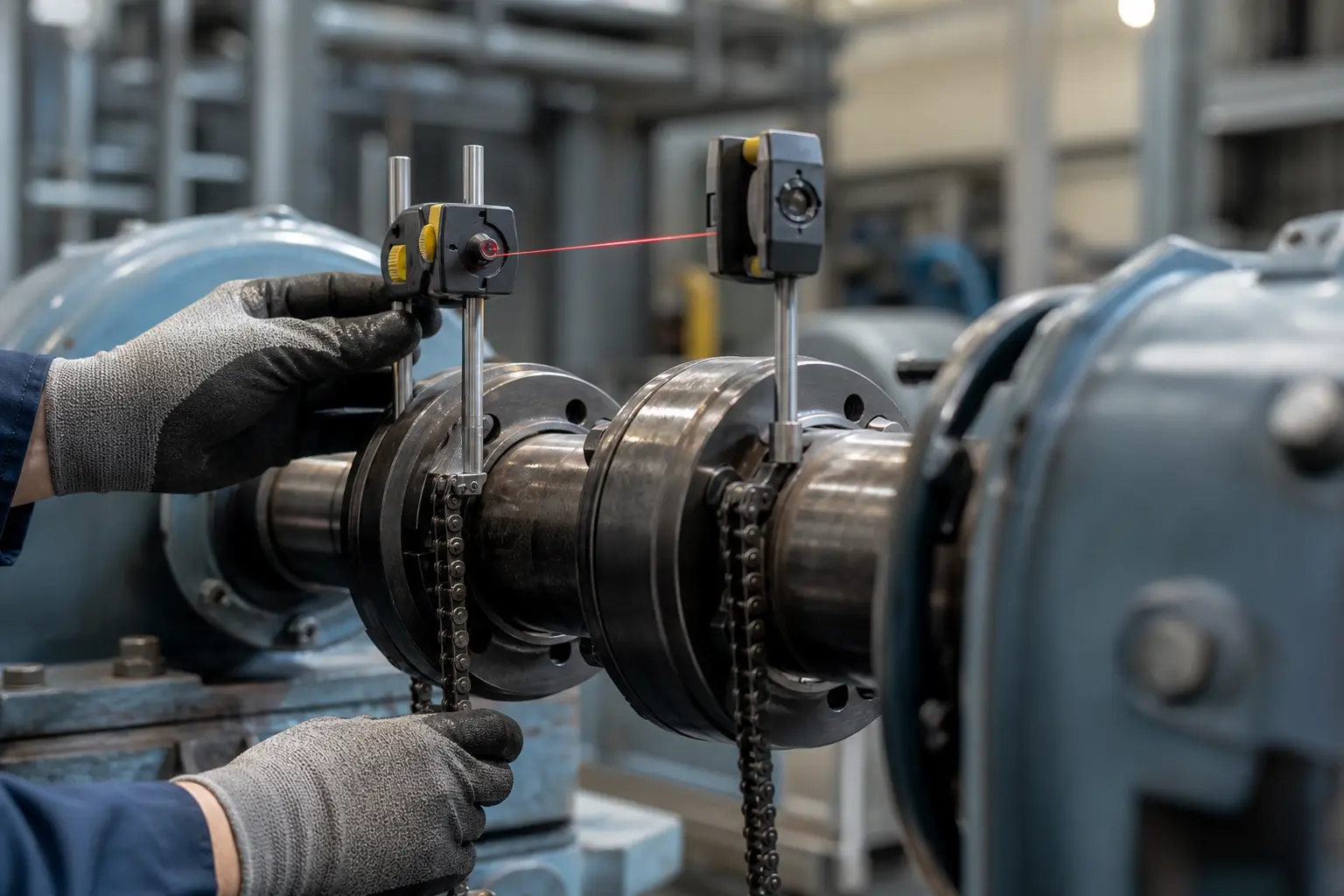
To prevent catastrophic failures, engineers should adopt the following practices: 1. Laser Alignment: Always use precision laser alignment tools when installing or reassembling equipment, or verify alignment at least annually. 2. Vibration Analysis: Implement continuous vibration monitoring sensors on the bearing housings. An abnormal spike in vibration signatures is an early warning sign of impending mechanical failure. 3. Coupling Inspection: Routinely check flexible couplings for cracks, wear, and ensure they are properly lubricated (if applicable) according to the manufacturer's schedule.
Innovek specializes in the selection, installation, and troubleshooting of Drive Shafts specifically for industrial cooling systems. We are ready to help you elevate your machinery's reliability and permanently reduce long-term downtime.