Safety Standards in Petrochemical Plants and Chemical Injection
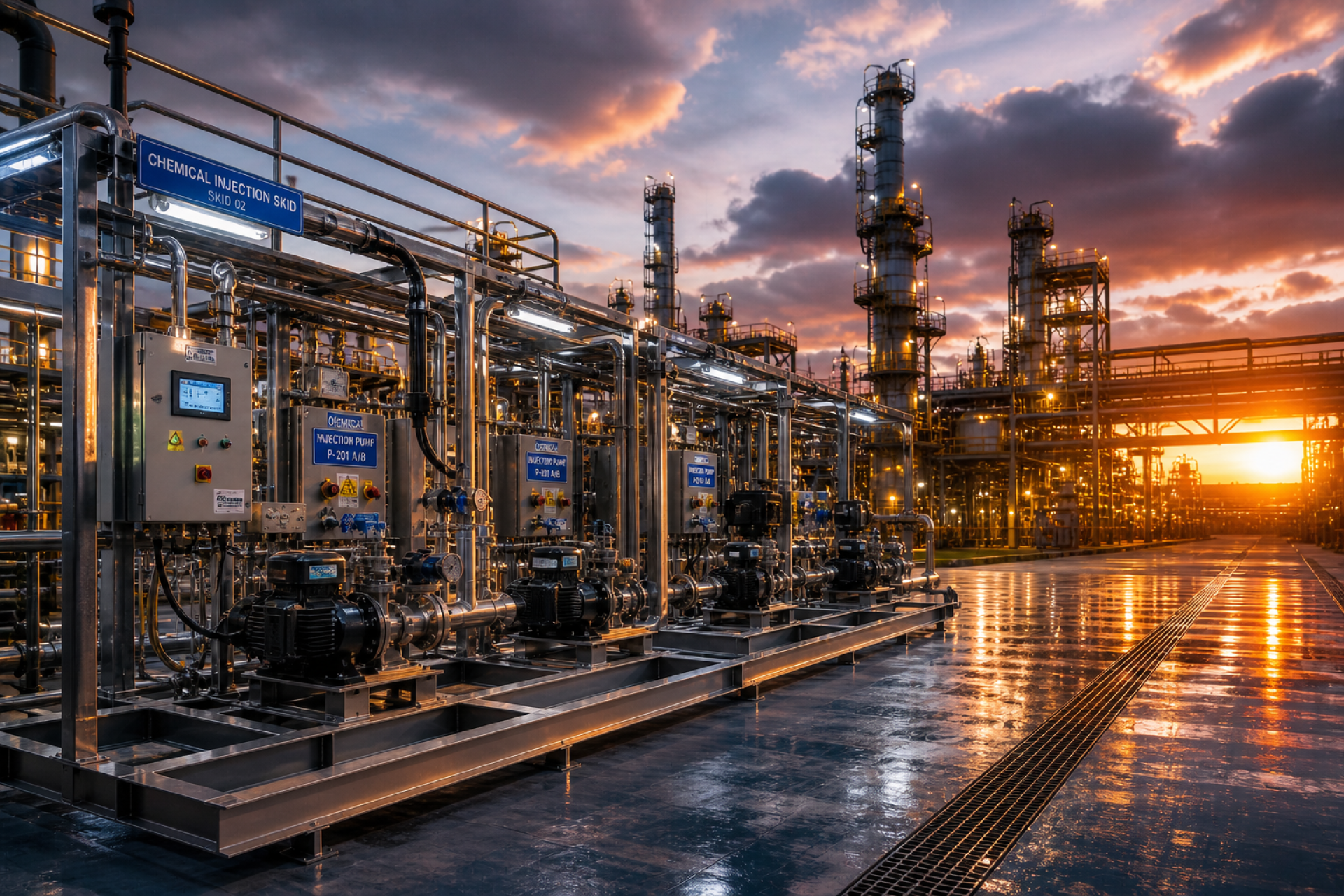
The petrochemical industry involves high risks due to flammable substances and extreme pressure. A Chemical Injection system is a vital mechanism for maintaining safety and production standards.
The Role of Chemical Injection in Safety
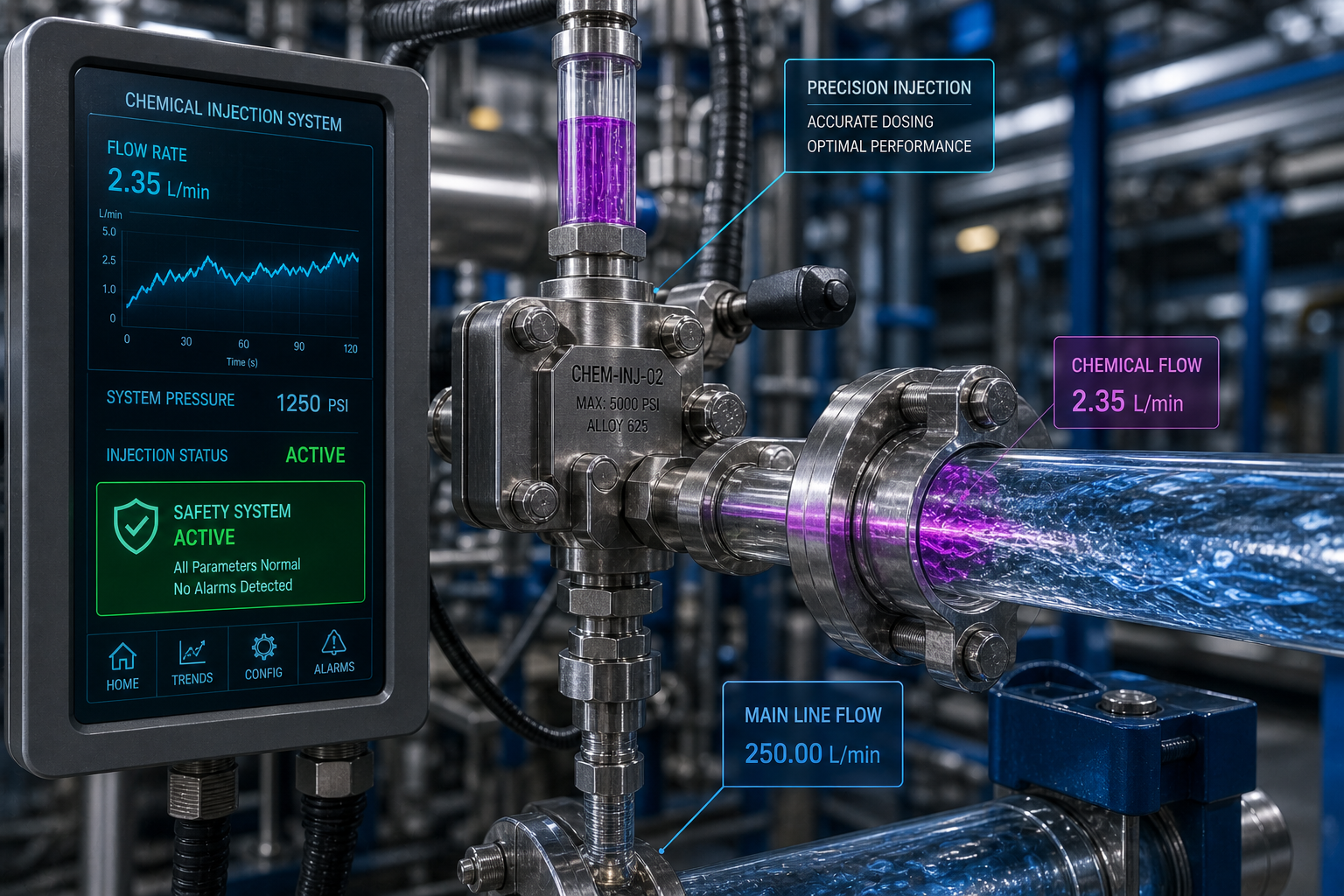
This system delivers precise amounts of chemicals, such as corrosion inhibitors. Inaccurate dosing can lead to pipe leaks from corrosion or volatile chemical reactions that may cause accidents.
Equipment Standards for Hazardous Areas
- Hazardous Area Classifications: All equipment must be certified for high-risk industrial zones.
- Corrosion Resistance: Utilizing specialized stainless steel or alloys to prevent chemical leaks.
Automation and Control Systems
Modern standards require integration with DCS/PLC systems. Real-time sensors for flow and pressure help minimize Human Error by enabling immediate automated shutdowns during anomalies.
Environmental Stewardship
Implementing Closed-loop designs and Spill Containment systems are global standards to prevent chemical contamination of the environment.
Conclusion
Sustainable safety is built on precision, standardized equipment, and effective process control provided by a reliable chemical injection system.